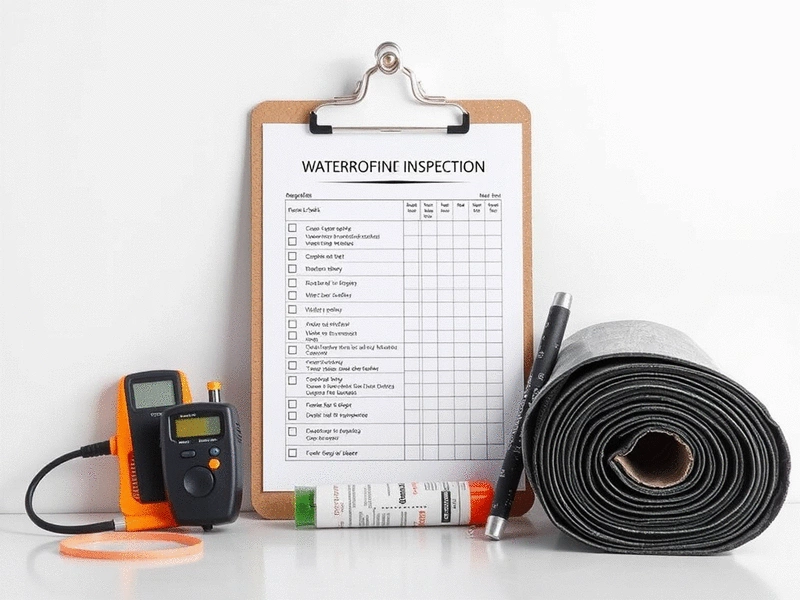

Phase 1: Pre-Application Requirements
Crucial steps before waterproofing begins: assess substrate for damage, ensure cleanliness and dryness, and confirm materials meet standards.
Welcome to Newcastle Waterproofing Solutions
May 29
Are you aware that a thorough waterproofing inspection can significantly extend the life of your property? Understanding the key protocols involved is essential for every homeowner in New South Wales. It’s time to arm yourself with knowledge that can protect your investment.
Understanding the critical stages and compliance requirements for waterproofing inspections is essential for property protection and adherence to Australian Standards. Below is a breakdown of the process flow and key standards involved.
Crucial steps before waterproofing begins: assess substrate for damage, ensure cleanliness and dryness, and confirm materials meet standards.
Adhering to AS3740 for wet areas and AS4654 for external areas is a legal requirement in NSW.
Inspections, adhesion checks, flood testing, and detailed reports are essential to verify effectiveness and compliance.
Includes regular maintenance checks (annually or after heavy rainfall) and staying informed on NSW regulations.
As a waterproofing specialist with over a decade of experience, I can’t stress enough the importance of a thorough waterproofing inspection in New South Wales (NSW). The right inspection protocols not only safeguard your property but also ensure compliance with the relevant building codes. By understanding what goes into these protocols, you can take proactive steps to protect your investment.
Having a comprehensive waterproofing inspection checklist is crucial. This checklist should cover every aspect of the inspection process, from evaluating the substrate conditions to confirming compliance with Australian Standards. A missing detail could lead to significant issues down the line, so let’s dive into what you should be aware of.
A detailed waterproofing inspection checklist ensures that no stone is left unturned. It helps identify potential risks and issues before the application of waterproofing systems. Here are a few reasons why a checklist is indispensable:
When I perform inspections, I rely heavily on my checklist to guide me. This way, I can provide clients with a thorough assessment and peace of mind.
Understanding the requirements before and after waterproofing is key to achieving lasting results. Before application, you need to ensure the area is properly prepared. This includes assessing the substrate condition, which I’ll cover in more detail later. After application, it’s essential to verify the effectiveness of the waterproofing system through inspections and tests.
Some key pre-application requirements include:
Post-application, you should conduct inspections and tests such as adhesion checks and flood testing to confirm that everything has been applied correctly. This two-step approach—before and after—provides the assurance you need that your waterproofing will hold up over time.
In NSW, compliance with Australian Standards is not just a recommendation; it’s a legal requirement. The most pertinent standards for waterproofing include AS3740 and AS4654, which focus on the materials and methods used in the waterproofing process.
By adhering to these standards, I ensure that every project I undertake meets the highest level of quality and compliance. It’s crucial for homeowners to work with professionals who are familiar with these regulations—like my team at Newcastle Waterproofing Solutions—to guarantee the integrity of their waterproofing systems. For comprehensive information on waterproofing work licenses and regulations in NSW, you can refer to the NSW Government's business and economy portal.
Did you know? Regular maintenance checks can extend the lifespan of your waterproofing system significantly. Schedule inspections at least once a year, or after heavy rainfall, to catch potential issues early and save on costly repairs!
When it comes to waterproofing, the importance of thorough documentation and sign-off processes cannot be overstated. A comprehensive inspection report not only provides a record of compliance but also serves as a reference for future maintenance. This documentation is crucial for homeowners, ensuring that all necessary steps were followed and that the work adheres to the relevant Australian Standards. The Master Builders Association of NSW provides valuable resources and guidance on best practices for waterproofing documentation.
Additionally, proper documentation acts as a safeguard for both the contractor and the property owner. It clarifies responsibilities and the quality of work completed, which can be vital if any disputes arise in the future. Don’t underestimate the power of a well-documented inspection—your home deserves it!
As a homeowner, it’s essential to know who is qualified to conduct waterproofing inspections. Not just anyone can check the integrity of a waterproofing project. Look for licensed and experienced professionals with a solid reputation in the industry. Here are some qualifications to consider:
For instance, at Newcastle Waterproofing Solutions, we pride ourselves on our extensive qualifications and adherence to industry standards. This ensures that you’ll receive the highest level of service when it comes to waterproofing inspections.
Creating a robust inspection report is an integral part of the waterproofing process. A detailed report should encompass various critical elements to ensure clarity and comprehensiveness. Here’s what to include:
Including these key elements will enhance the effectiveness of your inspection report, providing a clear roadmap for any necessary follow-up. A well-structured report not only facilitates ongoing maintenance but also enhances trust between the contractor and the homeowner.
Maintaining the integrity of your waterproofing system isn’t a one-time task. It requires regular maintenance checks and strategic planning to ensure long-term compliance and effectiveness. By scheduling consistent inspections, you can catch issues before they escalate, saving you time and money.
Knowing when to schedule these checks is crucial. Ideally, you should conduct a thorough inspection at least once a year, or after significant weather events, such as heavy rainfall or storms. This proactive approach helps keep your property safe and dry, extending the life of your waterproofing system.
Regular maintenance checks are essential in keeping your waterproofing system functioning optimally. Here’s a simple checklist to guide you:
This routine can help prevent costly repairs down the line. Remember, preventative care is always better than reactive measures!
Staying informed about waterproofing standards and practices is vital for any homeowner. There are many resources available that can help you navigate compliance in New South Wales:
By leveraging these resources, homeowners can empower themselves to make informed decisions regarding waterproofing, ensuring their properties remain protected.
To ensure your waterproofing system remains effective, here are some best practices to keep in mind:
Implementing these best practices will contribute to the longevity of your waterproofing systems and protect your investment against water damage.
Taking action to implement a comprehensive waterproofing inspection process is crucial for safeguarding your property. Start by developing your own checklist tailored to your specific needs. This proactive approach will set the foundation for a successful waterproofing strategy.
And remember, it’s okay to reach out for help! Collaborating with qualified professionals like those at Newcastle Waterproofing Solutions can ensure you have the expertise you need to succeed. Our team is always ready to assist you in navigating the waterproofing process and ensuring compliance with all relevant regulations.
Creating your waterproofing inspection checklist can be a straightforward process. Here's how to get started:
By following these steps, you will develop a useful tool that keeps your waterproofing efforts organized and effective!
Don’t hesitate to reach out for professional assistance when needed! Knowing when to call in experts can save you time and avoid potentially costly mistakes. At Newcastle Waterproofing Solutions, we’re committed to providing high-quality service, ensuring your project meets all necessary standards.
Lastly, always be aware of warranty guidelines associated with waterproofing products. Understanding these can provide peace of mind and ensure you are covered in case of any unforeseen issues. Regular testing of your waterproofing systems will also help maintain compliance and effectiveness, securing your investment for years to come.
Here is a quick recap of the important points discussed in the article: