Jun 04
Newcastle Basement Waterproofing Options
Have you ever wondered how environmental factors can impact the safety of your home? The battle against rising damp is a common struggle for Newcastle homeowners, but understanding its causes is the first step in protecting your investment. Let’s uncover the essential lessons that can help you fortify your property against moisture damage.
What You Will Learn
- Cracks in your foundation or walls can allow moisture intrusion, leading to rising damp.
- Hydrostatic pressure from groundwater can push moisture upwards, especially problematic in clay soil environments like Newcastle.
- Poor ventilation and condensation can trap humidity, exacerbating damp issues within your home.
- Understanding local building regulations, such as AS3740, is crucial for effective moisture barrier implementation.
- External waterproofing solutions, like perimeter drainage systems, can prevent water accumulation around your home’s foundation.
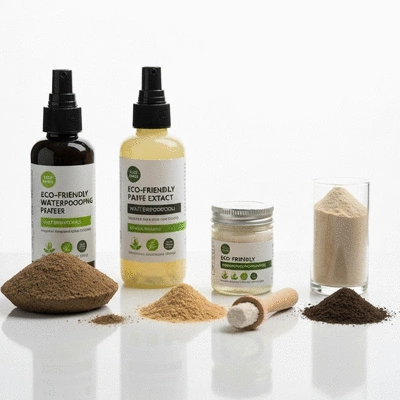
- Eco-friendly waterproofing products can protect your home while also minimizing environmental impact.
Waterproofing Solutions: Interior vs. Exterior Methods
Understanding the different approaches to waterproofing is key to protecting your home. Below is a comparison of interior and exterior methods, highlighting their benefits and considerations.
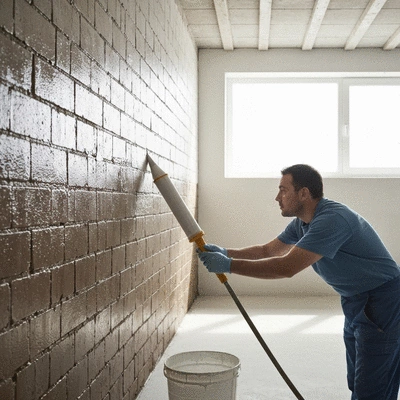
Interior Waterproofing Methods
Often used when water is already present, these methods focus on creating barriers from within the basement.
- Epoxy Injections: Durable, fill large cracks.
- Sealants: Easy to apply, cost-effective for minor issues.
- Tanking Systems: Robust waterproof membrane for severe cases.
External Waterproofing Solutions
These proactive methods prevent moisture from reaching walls, offering long-term protection.
- Perimeter Drainage: Redirects groundwater away from foundation.
- Cavity Drain Membranes: Drains infiltrated water away from walls.
- French Drains: Uses gravel and pipes to divert water.
Understanding the Causes of Rising Damp in Newcastle Homes
As a waterproofing specialist with over a decade of experience, I’ve seen firsthand how rising damp can wreak havoc on homes in Newcastle. Understanding the causes of this issue is crucial for homeowners looking to protect their properties. In this section, we'll dive into the common sources of moisture issues, environmental factors, and the role of building regulations in preventing rising damp.
Identifying Common Sources of Moisture Issues
Many factors can contribute to rising damp, making it essential to identify the most common sources. Let’s explore a few of these key issues:
- Cracks and Structural Deficiencies: When your home has cracks in its foundation or walls, it becomes vulnerable to moisture intrusion.
- Effects of Hydrostatic Pressure: This pressure from groundwater can force water up through the soil and into your home.
- Impacts of Condensation and Poor Ventilation: Inadequate airflow can lead to moisture buildup, creating a perfect environment for dampness.
Addressing these issues promptly can help prevent further damage to your home. After all, the last thing you want is mold creeping in after a heavy rain!
Cracks and Structural Deficiencies
Cracks in the foundation or walls can occur due to settling or shifting soils. These cracks can serve as pathways for moisture to enter your home, leading to rising damp. Inspect your property regularly to catch these issues early!
Effects of Hydrostatic Pressure
Hydrostatic pressure arises when water builds up in the soil around your home, pushing moisture into the foundation. This is especially common in areas with heavy clay soil, like many parts of Newcastle. It's vital to understand how this pressure works, as it can be a significant contributor to rising damp.
Impacts of Condensation and Poor Ventilation
Poor ventilation traps humidity inside, which can lead to condensation on walls and ceilings. This moisture can also contribute to rising damp. Ensuring adequate airflow in your home is a simple yet effective way to combat this issue. I often recommend simple measures like opening windows or installing vents!
Environmental Factors Contributing to Rising Damp
Newcastle's unique environment plays a significant role in moisture issues. Let's look at a couple of environmental factors that contribute to rising damp:
- Newcastle’s Clay Soil and Rainfall Patterns: The clay soil retains moisture, especially during heavy rainfall, which can exacerbate rising damp issues.
- Understanding Ground Conditions in Coastal Areas: Proximity to the coast means higher humidity levels, making moisture control essential for homes near the water.
Being aware of these environmental factors can help you take proactive measures to protect your home from moisture damage.
Newcastle’s Clay Soil and Rainfall Patterns
Newcastle's clay soil is notorious for holding onto water. During periods of heavy rain, this can lead to increased moisture levels around the foundation of your home. Proper drainage and waterproofing solutions are essential to combat this challenge.
Understanding Ground Conditions in Coastal Areas
The coastal climate can introduce additional humidity into the air, which can lead to condensation and rising damp if your home isn't adequately protected. It's crucial to consider these factors when planning your waterproofing strategy!
The Role of Building Regulations in Preventing Rising Damp
Building regulations exist to ensure that homes are constructed safely and resiliently. In Newcastle, understanding these regulations can help you safeguard your property against rising damp:
- Key Building Codes Relevant to Newcastle Homes: Compliance with codes such as AS3740 can help ensure that your home has the necessary moisture barriers in place.
By adhering to these regulations, you can protect your investment and enhance the longevity of your property. It’s always best to consult with a qualified waterproofing contractor to ensure compliance with local standards!
Key Building Codes Relevant to Newcastle Homes
One of the most important codes to consider is AS3740, which outlines the requirements for damp-proofing in residential buildings. Following these guidelines can help prevent rising damp and other moisture-related issues effectively.
Pro Tip
Did you know? Regular inspections of your home’s foundation and walls can help catch cracks and structural deficiencies early, significantly reducing the risk of rising damp. By implementing proactive maintenance strategies, such as checking for signs of moisture and ensuring proper drainage, you can protect your property from costly repairs in the future!
Comparing Effective Basement Waterproofing Solutions
When it comes to protecting your basement from the threat of moisture, understanding the various waterproofing solutions available is crucial. At Newcastle Waterproofing Solutions, we often recommend a tailored approach, depending on the unique challenges each home faces. Here, we’ll dive into both interior and external waterproofing methods to help you make an informed decision. For more insights on these approaches, you might find this resource on basement waterproofing strategies helpful.
Interior Waterproofing Methods: When and How to Use Them
Interior waterproofing methods are often the first line of defense against moisture infiltration. They can be particularly effective in homes where water is already present and immediate action is required. Let's explore some popular options:
- Epoxy Injections: These are a common choice for repairing cracks in walls. They bond to the concrete and prevent further water ingress.
- Sealants: Applying a sealant on interior walls creates a barrier against moisture. It's important to select the right type based on your basement's specific conditions.
- Tanking Systems: This approach involves creating a waterproof layer on the interior of the walls. It’s a more extensive solution that can be invaluable in severe cases.
While these methods can be effective, each has its pros and cons. For example, epoxy injections may be less expensive but might not address larger structural issues. On the other hand, tanking systems provide thorough protection but require more time and cost. You can learn more about various waterproofing systems, including those for below-grade structures, by visiting Sika's waterproofing systems page.
Epoxy Injections and Sealants: Pros and Cons
Understanding the advantages and disadvantages of epoxy injections and sealants can help you make smarter choices. Here’s a quick breakdown:
- Epoxy Injections:
- Pros: Durable, bonds to concrete, and can fill large cracks.
- Cons: Limited to crack repairs; may not solve overall moisture issues.
- Sealants:
- Pros: Easy to apply, cost-effective, and can deter minor moisture issues.
- Cons: May need reapplication, especially in high-pressure situations.
As a waterproofing specialist, I've seen both methods work well, depending on the situation. It’s essential to evaluate your basement's condition to choose the right solution!
Understanding Tanking Systems for Newcastle Homes
Tanking systems serve as a robust solution for Newcastle homes facing significant water challenges. This method involves applying a waterproof membrane to the interior walls to prevent moisture from penetrating. It's ideal for basements that frequently experience flooding or have high groundwater levels.
One of the key advantages of tanking is the comprehensive protection it offers. By sealing the walls completely, you can enjoy the peace of mind that comes with knowing your home is well-protected. However, I recommend consulting with a professional to assess whether this solution is right for your specific needs, especially since it requires adherence to Australian Standards.
External Waterproofing Solutions: Benefits and Considerations
External waterproofing solutions focus on preventing moisture from entering the basement before it even reaches the walls. These methods are often more labor-intensive but can provide long-term protection. Here are some popular options:
- Perimeter Drainage Systems: These systems collect and redirect groundwater away from the foundation.
- Cavity Drain Membranes: They create a drainage layer that allows any infiltrated water to flow away from the walls.
- French Drains: A type of perimeter drainage that uses gravel and perforated pipes to divert water.
Considering external waterproofing can be a game-changer for your property. These solutions may require more upfront investment, but they can save you significant costs related to water damage in the long run. If you're in Newcastle, collaborating with local experts like us at Newcastle Waterproofing Solutions can ensure you're choosing the best approach for your home. For additional tips on waterproofing, This Old House offers valuable advice on keeping basements dry.
Perimeter Drainage Systems: How They Work
Perimeter drainage systems are designed to manage water flow around your home’s foundation. They typically consist of a trench filled with gravel and a perforated pipe that captures and channels water away from the building. Here’s why they’re beneficial:
- Prevents Water Accumulation: By redirecting water, these systems help maintain a dry foundation.
- Reduces Pressure: They alleviate hydrostatic pressure on the walls, decreasing the risk of leaks.
- Long-Term Solution: Once installed correctly, they require minimal maintenance.
It’s essential to assess your landscape and drainage conditions before installation. Consulting with a professional can help ensure optimal performance!
Cavity Drain Membranes: Suitability for Your Home
Cavity drain membranes are versatile and can be an effective solution for many Newcastle homes. They allow any water that enters the cavity to drain away rather than pooling against the walls. This method is particularly useful in homes with significant moisture exposure.
By creating a protective barrier, cavity drain membranes can help maintain a healthy and dry environment in your basement. However, proper installation is critical, so it’s best to partner with experienced contractors like us to ensure compliance with Australian Standards.
Exploring Eco-Friendly Waterproofing Products
As a conscientious homeowner, you might be interested in eco-friendly waterproofing solutions. These products not only protect your home but also contribute positively to the environment. Let’s explore their benefits:
- Reduced Toxicity: Many eco-friendly options use natural ingredients, minimizing chemical exposure.
- Energy Efficiency: Sustainable solutions often enhance insulation, reducing energy costs.
- Longevity: Eco-friendly products tend to have a longer lifespan due to their high-quality materials.
At Newcastle Waterproofing Solutions, we always look for innovative solutions that align with our mission to protect both your home and the environment. Choosing eco-friendly options is a win-win for you and the planet!
Frequently Asked Questions About Rising Damp and Waterproofing
- What is rising damp and how does it affect homes?
- Rising damp occurs when moisture from the ground travels upwards through the walls of a building. It can lead to structural damage, mold growth, peeling paint, and a musty odor, impacting both the property's integrity and indoor air quality.
- What are the common causes of rising damp in Newcastle homes?
- Common causes include cracks in foundations or walls, hydrostatic pressure from groundwater (especially in Newcastle's clay soil), poor ventilation leading to condensation, and inadequate damp-proofing or compliance with building regulations like AS3740.
- What is the difference between interior and exterior waterproofing methods?
- Interior waterproofing methods (e.g., epoxy injections, sealants, tanking systems) are often used when water is already present, creating barriers from within. Exterior methods (e.g., perimeter drainage, cavity drain membranes, French drains) are proactive, preventing moisture from reaching the walls and offering long-term protection.
- How do environmental factors in Newcastle contribute to rising damp?
- Newcastle's heavy clay soil retains moisture, particularly during heavy rainfall, increasing hydrostatic pressure. Its coastal proximity also means higher humidity levels, which can exacerbate condensation and damp issues if homes are not properly protected.
- Are eco-friendly waterproofing solutions effective?
- Yes, many eco-friendly waterproofing products are highly effective. They often use natural ingredients, reduce chemical exposure, and can enhance insulation for better energy efficiency, while also offering long-term protection comparable to traditional methods.
Recap of Key Points
Here is a quick recap of the important points discussed in the article:
- Identify Sources of Moisture: Regularly inspect for cracks, structural deficiencies, and ensure proper ventilation to prevent rising damp.
- Consider Environmental Factors: Be aware of Newcastle’s clay soil and rainfall patterns, as they can exacerbate moisture issues.
- Adhere to Building Regulations: Follow key building codes like AS3740 to ensure effective moisture barriers are installed.
- Evaluate Waterproofing Solutions: Choose between interior and exterior waterproofing methods based on your home's specific needs.
- Utilize Eco-Friendly Products: Consider sustainable waterproofing options that reduce toxicity and enhance energy efficiency.