Oct 15
Shower Waterproofing Newcastle NSW
Shower waterproofing helps protect the walls, floors and adjoining areas of a bathroom from water penetration. When a shower leaks, the cause may be a damaged membrane, defective junctions, deteriorated seals, plumbing faults or drainage problems. Identifying the source before choosing a repair is important, as visible surface damage does not always reveal what is happening behind the tiles.
For property owners in Newcastle, understanding how shower waterproofing works, recognising early warning signs and knowing what to ask before repairs begin can help make maintenance and renovation decisions more informed.
What You Will Learn
- How shower waterproofing helps limit moisture penetration.
- Common warning signs and possible causes of shower leaks.
- What to consider when selecting a waterproofing system or repair.
- How to maintain a shower and understand the limits of warranty coverage.
Understanding Shower Waterproofing in Newcastle
Shower waterproofing involves creating a continuous water-resistant barrier behind the finished surfaces of a shower. The system must suit the substrate and be detailed correctly around wall-to-floor junctions, corners, plumbing penetrations and the floor waste.
Tiles and grout provide the finished surface, but they should not be relied upon as the primary waterproof barrier. Water can pass through joints and reach the layers beneath, making the underlying membrane and its installation important to the shower's performance.
Shower waterproofing is one part of a wider wet-area protection system. For related information, read our guide to bathroom waterproofing in Newcastle.
Why Shower Waterproofing Matters
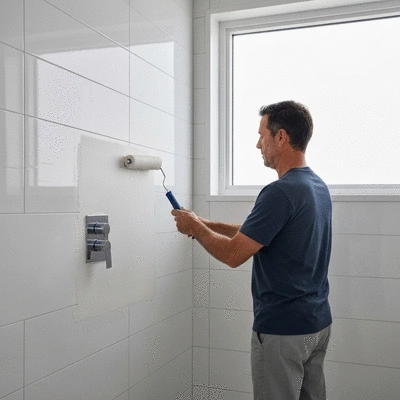
Water escaping beyond the intended shower area can affect plasterboard, timber, flooring, adjoining rooms and other building materials. The extent of damage depends on how much water enters, how long the problem continues and which materials are exposed.
- Limits moisture penetration: A suitable membrane helps prevent water from entering vulnerable parts of the building.
- Protects surrounding finishes: Effective waterproofing and drainage detailing help reduce the risk of damage outside the shower.
- Helps control persistent dampness: Addressing leaks can reduce conditions that support mould growth.
- Supports effective maintenance: A correctly installed system, combined with suitable upkeep, helps manage the risks associated with repeated water exposure.
Common Signs of a Leaking Shower
A leaking shower may show obvious symptoms, but water can also travel behind walls or beneath flooring before becoming visible. Watch for changes that persist or return after the area has dried.
- Water stains on walls, ceilings or floors near the bathroom.
- Peeling paint, bubbling finishes or swollen skirting boards outside the shower.
- Loose tiles or deteriorating grout and sealant.
- Musty smells or recurring mould in areas that remain damp.
- Water escaping from the shower enclosure during normal use.
- Damage appearing in a room adjoining or below the bathroom.
These signs do not automatically mean the waterproofing membrane has failed. A leaking pipe, defective tap connection, blocked waste, damaged seal or inadequate drainage can produce similar symptoms. The source should be investigated before deciding on the repair.
If a leak is already affecting the property, see our guide to bathroom leak repairs in Newcastle.
Common Shower Waterproofing Systems
The most suitable waterproofing method depends on the shower's construction, the substrate, the product specifications and the installation details. Two common approaches are sheet membranes and liquid-applied membranes.
Sheet Membranes
Sheet membranes are installed over a suitably prepared surface. Their joints, corners, edges and penetrations must be treated according to the system requirements to maintain continuity. The membrane must also be compatible with the substrate and the finishes that will be installed over it.
Liquid-Applied Membranes
Liquid-applied membranes are spread or applied over prepared surfaces and allowed to cure. They can be useful around complex shapes, but the required application thickness, reinforcement, curing conditions and preparation must follow the manufacturer's instructions.
Neither system is automatically the best choice for every shower. Product suitability, substrate condition and correct detailing are central to the result.
Junctions, Penetrations and Drainage
Waterproofing needs particular attention where different surfaces meet or where pipes and drainage fittings pass through the construction. The shower floor must also direct water towards the waste as intended. A defect at one of these points can allow water to escape even when other parts of the membrane appear intact.
For broader guidance on reducing the risk of defects, read preventing waterproofing issues in Newcastle.
Repairing an Existing Leaking Shower
Repairing a leaking shower starts with identifying where the water is coming from. Replacing grout or applying fresh sealant may help if the problem is confined to a deteriorated surface joint, but these measures will not reliably repair a failed membrane hidden beneath tiles.
Depending on the findings, the work may involve repairing a plumbing connection, clearing or correcting drainage, renewing a seal, replacing damaged finishes or removing tiles to access defective waterproofing. More extensive work may be necessary if moisture has affected the substrate or surrounding building materials.
Before agreeing to a repair, ask the contractor to explain:
- What is believed to be causing the leak and how that conclusion was reached.
- Whether the proposed repair addresses the source or only a visible symptom.
- Whether tiles or other finishes need to be removed.
- What preparation, reinstatement and follow-up checks are included.
- What limitations apply to the proposed repair and any warranty.
Where the source is uncertain, further investigation may be needed before a reliable scope of work can be prepared.
Australian Standards and Shower Waterproofing
AS 3740 addresses waterproofing of domestic wet areas. The applicable edition and requirements should be confirmed for the particular project, taking into account the building work and any relevant regulatory requirements.
Compliance involves more than selecting a product labelled for waterproofing. Substrate preparation, membrane application, junction detailing, penetrations and installation instructions all matter. A standard or product specification should not be treated as a guarantee that leaks cannot occur.
For further information, read our guide to AS 3740 standards in Newcastle and the information on waterproofing compliance for wet areas.
Maintaining Your Shower After Waterproofing
Routine maintenance helps identify developing problems, although it cannot compensate for a defective membrane or unresolved plumbing fault.
- Check visible seals: Look for gaps, cracking or deterioration around exposed joints and fittings.
- Keep drainage clear: Remove hair and debris that may restrict the shower waste.
- Clean appropriately: Use cleaning products suitable for the tiles, grout and sealants, following the relevant product guidance.
- Manage ventilation: Use suitable ventilation to help reduce condensation and humidity after showering.
- Investigate recurring moisture: Do not ignore damp patches, persistent smells or water appearing beyond the shower area.
Grout and exposed sealant may need maintenance over time, but they are different from the waterproofing membrane beneath the finishes. If a leak persists, investigate the underlying cause instead of repeatedly applying surface products.
Understanding Waterproofing Warranties
Warranty coverage varies according to the contractor, products supplied and terms of the agreement. Before work begins, request written information explaining what is covered, how long coverage lasts and what conditions or exclusions apply.
Clarify whether the warranty relates to materials, workmanship or both, and whether it covers consequential damage to surrounding finishes or building components. Do not assume that every waterproofing warranty covers all forms of water damage or transfers automatically to a future owner.
Keep the quote, invoice, product information, installation records and any inspection documentation. These records can help if questions arise about the work later.
DIY Shower Waterproofing: What to Consider
Surface maintenance, such as cleaning a waste or renewing an accessible seal where appropriate, differs considerably from installing or replacing a concealed waterproofing system. Full shower waterproofing involves preparation, membrane application and detailing that may be difficult to correct once tiles are installed.
Before undertaking the work yourself, consider the substrate, the complexity of the shower, the selected product's instructions and the requirements that apply to the project. Incorrect application can leave defects hidden behind finished surfaces, making later repairs more disruptive.
Where the work requires specialised installation or compliance with applicable building requirements, consider using an appropriately qualified and experienced professional. Confirm the scope of work and relevant credentials rather than assuming that a particular title alone establishes suitability.
Frequently Asked Questions About Shower Waterproofing
- What is shower waterproofing?
- It involves installing a suitable waterproof barrier to limit water penetration into walls, floors and adjoining building materials. The system must be correctly detailed around junctions, penetrations and drainage points.
- What are the common signs of a leaking shower?
- Possible signs include water stains, peeling paint, swollen skirting boards, loose tiles, persistent musty smells and moisture outside the shower. Plumbing and drainage defects can cause similar symptoms, so the source needs to be identified.
- Can a leaking shower be fixed without removing tiles?
- Some problems, such as a localised plumbing fault or deteriorated accessible seal, may be repairable without removing tiles. If the concealed membrane has failed, surface treatments may not provide a reliable solution. The appropriate method depends on the cause and condition of the shower.
- How can I maintain my waterproofed shower?
- Keep drainage clear, inspect visible seals, use suitable cleaning products, manage ventilation and investigate recurring moisture promptly. Maintenance cannot replace repairs to a defective membrane or plumbing system.
- What should I check in a waterproofing warranty?
- Check the duration, what materials and workmanship are covered, exclusions, maintenance conditions, claim procedures and whether any coverage transfers to a new owner.
- Does AS 3740 apply to shower waterproofing?
- AS 3740 addresses waterproofing of domestic wet areas. Confirm the applicable edition and project requirements for the work being undertaken.
Choosing the Right Shower Waterproofing Solution
A lasting approach to shower waterproofing starts with understanding the construction and identifying any existing defects. Selecting a suitable system, preparing the substrate properly and detailing junctions and drainage correctly all contribute to the performance of the installation.
If your shower shows signs of leakage, establish the likely source before deciding whether a local repair or more extensive waterproofing work is needed. Clear information about the proposed method, work scope and warranty conditions will help you compare options and plan the repair with greater confidence.