Oct 15
Foundations Waterproofing Maitland NSW
Foundation waterproofing helps reduce the risk of water entering below-ground areas and damaging building materials. If you notice damp patches, water stains or persistent moisture around your property's foundation in Maitland, identifying the source is an important first step.
Understanding Foundation Waterproofing in Maitland
Foundation waterproofing involves managing water around foundation walls and other below-ground structures. The appropriate solution depends on how water is entering, the condition of the structure, soil conditions, drainage and whether the issue affects an existing building or new construction.
For broader residential protection, see our guide to waterproofing solutions for Maitland homes.
What Does Foundation Waterproofing Involve?
Depending on the cause of moisture, foundation protection may involve:
- Applying a suitable waterproofing membrane to accessible foundation surfaces.
- Repairing appropriate cracks, joints or other identified entry points.
- Improving surface drainage and directing roof water away from the building.
- Addressing drainage behind retaining structures where required.
- Assessing existing damage before selecting a repair method.
Waterproofing materials alone may not resolve a problem if water continues to collect around the foundation. The source of the moisture should be investigated before choosing a treatment.
Common Signs of Foundation Moisture
Moisture problems can develop gradually or become noticeable after periods of rainfall. Look for the following warning signs:
- Damp patches or discolouration on lower walls.
- Water stains or persistent moisture on floors.
- Musty smells or visible mould in poorly ventilated spaces.
- Water entering through cracks or construction joints.
- Peeling paint or deteriorating finishes near floor level.
- Water pooling beside external walls.
Cracks, sloping floors or doors that suddenly become difficult to operate may indicate movement or another structural issue. These symptoms should not automatically be attributed to waterproofing failure; seek an appropriate building or structural assessment if they are present.
What Causes Water to Enter Foundations?
Surface Drainage Problems
Water that collects beside a building can increase moisture exposure around the foundation. Check whether the ground slopes towards the property, whether downpipes discharge near the walls and whether stormwater drainage is functioning properly.
Cracks and Construction Joints
Cracks, joints and gaps around service penetrations can provide pathways for water. The correct repair depends on the location, size and cause of the defect. Cracks associated with structural movement may require specialist assessment before waterproofing work begins.
Water Pressure Against Below-Ground Walls
When water accumulates in soil beside a foundation, pressure can encourage moisture to pass through vulnerable areas. A suitable solution may require a combination of waterproofing, drainage and repairs rather than a surface coating alone.
Foundation Waterproofing Options
External Waterproofing Membranes
Where the outside of a foundation wall is accessible, a suitable membrane may help prevent water from penetrating the structure. Surface preparation, detailing around joints and penetrations, and protection of the completed membrane are important parts of the installation.
Internal Moisture Management
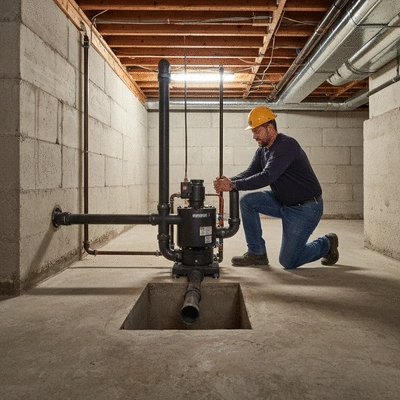
Where external excavation is impractical, internal drainage or water-management systems may be considered. A sump pump can collect water and discharge it to an appropriate outlet, but it does not replace the need to investigate the source of water or assess the condition of the foundation.
Drainage Improvements
Correcting drainage may reduce the amount of water reaching the foundation. Depending on the property, this could involve adjusting surface falls, repairing gutters and downpipes, or assessing below-ground drainage. Any changes should account for the property's existing drainage arrangements and suitable discharge points.
For related structural applications, read about concrete waterproofing in Maitland and foundation waterproofing in Newcastle.
Planning a Foundation Waterproofing Project in Maitland
Before selecting a waterproofing system, establish where the water is coming from and how it reaches the affected area. A practical assessment should consider:
- The location and extent of visible moisture.
- Whether the problem occurs during or after rainfall.
- The condition of foundation walls, joints and existing coatings.
- Surface falls, gutters, downpipes and drainage arrangements.
- Access to the external foundation and any below-ground services.
- Whether cracks or movement require further investigation.
These details help determine whether the main requirement is a membrane, localised repairs, drainage improvements or a combination of measures. The work required and its duration will depend on site access, the condition of the structure, the selected system and the preparation involved.
Maintaining Foundation Moisture Protection
Routine checks can help identify developing drainage or moisture problems. Keep gutters and downpipes clear, look for pooling water around external walls and investigate new damp patches rather than simply covering them with paint.
After significant rainfall, check accessible areas for water entry or changes in dampness. If moisture returns after repairs, reassess the source rather than assuming that another surface application will solve the problem.
For further guidance, see our waterproofing inspection checklist for NSW and advice on preventing waterproofing problems.
Frequently Asked Questions
What is foundation waterproofing?
Foundation waterproofing uses suitable membranes, detailing and, where needed, drainage measures to reduce water penetration through foundation walls and other below-ground structures.
What are the signs of foundation water problems?
Common signs include damp patches, water stains, persistent musty smells, water entering through cracks and pooling beside external walls. Cracks or movement may need a separate structural assessment.
Will a waterproofing membrane solve every foundation leak?
No. The result depends on the source of the water, the condition of the structure, drainage and the suitability and installation of the selected system. Some problems require drainage improvements or repairs as well as a membrane.
Is a sump pump a substitute for foundation waterproofing?
Not necessarily. A sump pump can collect and discharge water in a suitably designed system, but the underlying water source and any defects in the foundation should also be assessed.
How long does foundation waterproofing take?
There is no single timeline for every project. Duration depends on the area involved, excavation and access requirements, repairs, weather conditions and the curing requirements of the chosen materials.
Choosing the Next Step
If you are dealing with water entry or persistent dampness around a property in Maitland, start by identifying the affected areas and checking nearby drainage. A suitably qualified waterproofing professional can assess the site and explain which repair or moisture-management options are appropriate.
Where there are substantial cracks, signs of movement or concerns about structural stability, arrange an appropriate structural assessment before proceeding with waterproofing work.