Oct 15
Foundations Waterproofing Newcastle NSW
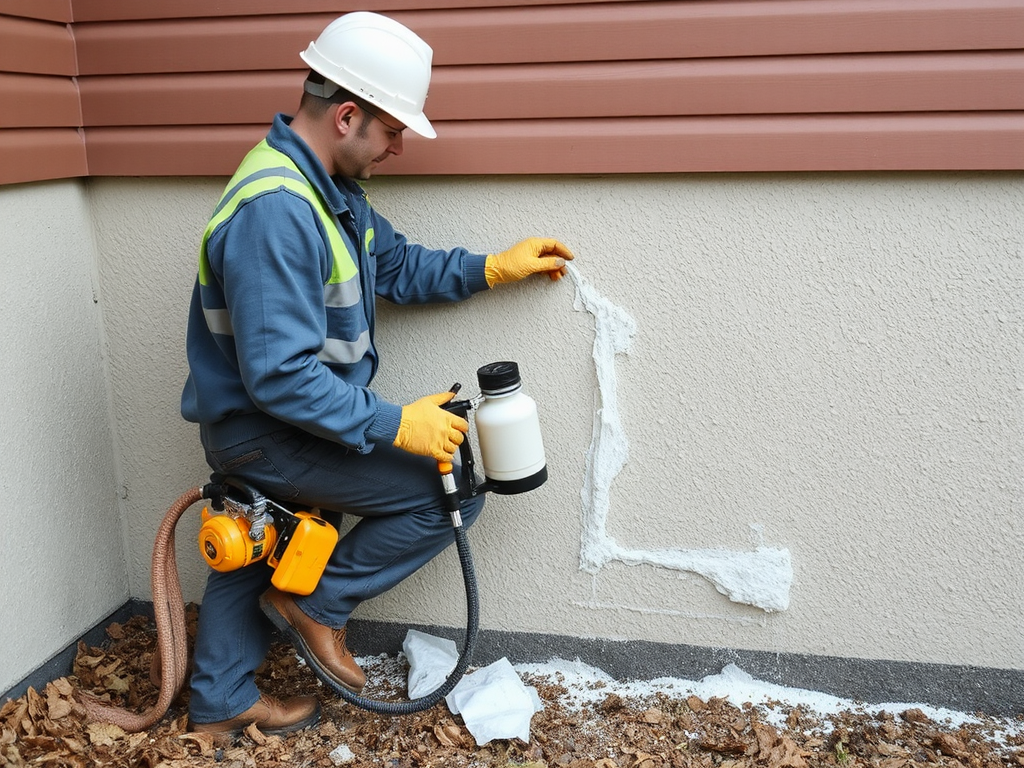
Water entering a building's foundation can cause persistent dampness, damage internal finishes and contribute to deterioration over time. For Newcastle property owners, identifying where moisture is coming from is the first step towards choosing an effective foundation waterproofing solution.
Foundation waterproofing is not simply a matter of coating a wall with sealant. The right approach depends on how water reaches the structure, the condition of the concrete or masonry, ground levels, drainage and whether the property has a basement, subfloor area or below-ground room.
Table of Contents
- Understanding foundation waterproofing
- Signs of foundation water ingress
- Common causes of foundation moisture
- Foundation waterproofing methods
- Choosing the right solution
- Considerations for Newcastle properties
- Maintenance and prevention
- When to seek a professional assessment
- Frequently asked questions
Understanding Foundation Waterproofing in Newcastle
Foundation waterproofing involves measures designed to limit water penetration through below-ground walls, concrete slabs and other parts of a building's foundation. Depending on the construction and source of moisture, a suitable system may include a waterproof membrane, drainage improvements, crack repairs or a combination of measures.
It is important to distinguish between water that is penetrating the foundation and moisture caused by plumbing leaks, condensation, rising damp or poor surface drainage. These problems can produce similar symptoms but may require different repairs.
For broader information about protecting residential structures, see our guide to waterproofing homes in Newcastle.
Why foundation waterproofing matters
When water repeatedly enters a foundation or remains against below-ground walls, it can damage finishes, encourage mould growth where conditions permit and contribute to deterioration of some building materials. Persistent moisture can also affect stored belongings and the usability of lower-level rooms.
Waterproofing can help manage these risks, but it does not automatically resolve structural movement, defective plumbing or drainage problems. The source of the moisture should be identified before selecting a repair method.
Signs of Foundation Water Ingress
Water entering through or around a foundation may not always appear as a visible stream or puddle. Look for recurring changes, particularly after heavy rain or when the surrounding ground remains wet.
- Damp patches: Persistent wet or discoloured areas on below-ground walls or floors.
- Efflorescence: White mineral deposits left behind as moisture moves through masonry or concrete.
- Peeling paint or damaged finishes: Coatings, plaster or flooring may deteriorate where moisture is present.
- Musty odours: Persistent smells may indicate damp materials or inadequate ventilation.
- Water pooling: Water collecting beside foundation walls or entering lower-level spaces.
- Cracks or movement: Cracks may allow water through, although their cause and structural significance need separate assessment.
These signs are not proof of a failed waterproofing membrane. For example, a plumbing leak can create dampness in an area that appears to be a foundation problem. Record when the symptoms occur and whether they change after rainfall to help with diagnosis.
Common Causes of Foundation Moisture
Poor surface drainage
Rainwater that collects beside a building can increase moisture exposure at the foundation. Blocked drains, poorly directed downpipes, low ground levels and paving that directs water towards the building can all contribute to the problem.
Defective or missing waterproofing
Older structures may have limited moisture protection, while existing membranes can deteriorate or become damaged during later building work. A membrane may also be unsuitable for the amount of water pressure or the conditions around the structure.
Cracks and construction joints
Water can enter through cracks, joints, service penetrations and connections between different building elements. Sealing the visible opening alone may not be enough if movement continues or water is travelling through another part of the structure.
Groundwater and water pressure
Where water accumulates in soil around below-ground walls, pressure can drive moisture through vulnerable areas. In these circumstances, the solution may need to address both the waterproofing barrier and the way water is collected or discharged.
Foundation Waterproofing Methods
The appropriate method depends on the foundation's construction, the location of the water entry, site access and whether the problem is occasional dampness or persistent water penetration.
Exterior waterproofing membranes
Exterior systems are applied to the outside face of suitable foundation walls to restrict water entering from surrounding soil. Depending on the system, installation may require excavation, surface preparation, repairs to defects and protection of the membrane before the area is backfilled.
Exterior access can be difficult around existing homes, retaining structures, paths or neighbouring buildings. Excavation should be planned carefully, particularly where the work could affect foundations, buried services or nearby structures.
Interior moisture management
Internal treatments may help manage moisture in some situations, but an internal coating should not automatically be treated as equivalent to stopping water at the exterior face. Where water pressure is involved, a surface coating alone may be inadequate or may fail if the substrate and system are unsuitable.
Some below-ground spaces use internal drainage channels and collection systems to direct water towards an appropriate discharge point. These systems manage water rather than necessarily preventing it from reaching the wall, so the design needs to suit the building and site conditions.
Drainage improvements
Managing water around a foundation can be as important as the waterproofing material itself. Depending on the site, measures may include clearing blocked drainage, correcting surface falls, improving downpipe discharge or installing a properly designed subsurface drainage system.
Drainage must discharge to a suitable location and comply with applicable requirements. Redirecting water onto neighbouring land or creating a new drainage problem is not an appropriate solution.
Crack and joint repairs
Suitable repair materials can seal some cracks, joints and penetrations. The repair method depends on the width, movement, accessibility and cause of the defect. If cracking suggests structural movement, obtain an appropriate assessment before treating it as a straightforward waterproofing repair.
Sump pumps and collection systems
Where water collects in a basement or other below-ground space, a sump and pump may form part of a drainage strategy. These systems need suitable collection points, safe discharge arrangements and maintenance. A pump does not replace the need to understand why water is entering the space.
For more information about managing moisture in lower-level areas, read our guide to basement waterproofing options in Newcastle.
Choosing the Right Foundation Waterproofing Solution
Before choosing a product or arranging repairs, establish the likely source of moisture and the conditions the system must withstand. A solution that works for minor surface dampness may not be suitable for a below-ground wall exposed to sustained water pressure.
Consider the following factors:
- Foundation construction: Concrete, masonry, slab edges and different wall assemblies may require different preparation and systems.
- Water source: Rainwater, groundwater, plumbing leaks and moisture migrating through materials need to be distinguished.
- Access: Exterior excavation may be practical on one side of a property but restricted by paving, landscaping or adjoining structures elsewhere.
- Drainage: Existing stormwater and subsurface drainage should be checked before relying on a membrane alone.
- Condition of the substrate: Cracks, loose coatings, contamination and damaged surfaces may need repair before a new system is installed.
- Use of the space: A habitable basement, storage area and external foundation wall may have different moisture-management requirements.
- Maintenance requirements: Drainage outlets, pumps and accessible components may need periodic inspection.
Ask the contractor to explain the suspected cause of the problem, the proposed system, surface preparation, drainage arrangements and any limitations. A clear scope helps you compare solutions on more than the product name or initial price.
Considerations for Newcastle Properties
Conditions vary between properties across Newcastle and the surrounding Hunter region. Local rainfall can expose weaknesses in surface drainage, while the site's slope, soil conditions, groundwater behaviour and building design influence how water moves around a foundation.
Rather than assuming that every property has the same moisture risk, assess the actual site. Check whether water runs towards the building, whether downpipes discharge close to the foundation, and whether dampness appears after rain or persists during dry periods.
Older buildings may have different foundation details and moisture barriers from newer construction. Additions, landscaping changes and paving installed after the original build can also alter drainage patterns. Any proposed excavation or repair should account for the structure and nearby services.
For a wider overview of concrete-related moisture protection, see concrete waterproofing in Newcastle.
Foundation Waterproofing Maintenance and Prevention
Regular checks can help identify developing drainage and moisture issues before they cause more extensive damage. Maintenance cannot compensate for a defective waterproofing system, but it can reduce avoidable water exposure around the building.
- Keep gutters and downpipes clear so roof water can drain correctly.
- Check that downpipes discharge to an appropriate drainage point rather than beside the foundation.
- Look for areas where water pools after rainfall and investigate the cause.
- Keep drainage inlets and accessible outlets free from leaves, sediment and other obstructions.
- Inspect exposed foundation walls for new cracks, damp patches or deteriorating finishes.
- Monitor basement or subfloor spaces for recurring odours, water accumulation or visible moisture.
- Keep records and photographs of recurring issues, particularly when they follow heavy rain.
If moisture returns after a repair, investigate whether the original water source was fully addressed. Repeatedly applying surface sealants without identifying the cause can lead to ongoing expense without resolving the underlying issue.
When to Seek a Professional Assessment
Arrange an assessment if water repeatedly enters a below-ground space, damp patches continue despite drainage improvements, or previous waterproofing repairs have failed. Prompt attention is also warranted when cracking appears to be increasing, walls show signs of movement, or water is close to electrical equipment.
A useful assessment should consider the visible symptoms, likely water pathways, condition of the foundation, drainage and access for repairs. Depending on the findings, further investigation by a suitably qualified building or structural professional may be appropriate.
Before work begins, ask for the proposed repair method, preparation requirements, drainage arrangements, expected disruption and maintenance needs to be explained. Confirm any applicable approvals or requirements for excavation and drainage work rather than assuming every project follows the same process.
For additional guidance on identifying potential problems, use our waterproofing inspection checklist for NSW.
Frequently Asked Questions About Foundation Waterproofing
What is the purpose of foundation waterproofing?
Foundation waterproofing helps limit water penetration into below-ground walls and other foundation elements. Depending on the building, it may involve membranes, crack repairs, drainage improvements or water collection systems.
What are the signs of a foundation waterproofing problem?
Possible signs include recurring damp patches, white mineral deposits on masonry, peeling finishes, musty odours and water pooling beside foundation walls. These symptoms can have other causes, so investigation is important before selecting a repair.
Is exterior or interior foundation waterproofing better?
Neither method is best for every property. Exterior waterproofing can stop water at the outside face when correctly designed and installed. Interior systems may manage water that has already entered, sometimes using drainage and collection arrangements. The suitable approach depends on the source of moisture, water pressure, construction and site access.
Can foundation cracks simply be sealed?
Some cracks can be repaired using suitable materials, but the method depends on the cause and whether the crack is stable or moving. Cracks that are widening, recurring or associated with movement should be assessed before waterproofing repairs are chosen.
Does foundation waterproofing require a permit in Newcastle?
Approval requirements depend on the work involved and the property. Excavation, structural alterations and drainage changes may have specific requirements. Check with the relevant local authority or a qualified building professional where necessary.
How can I help prevent water from reaching my foundation?
Keep gutters and downpipes clear, direct roof water to suitable drainage, investigate pooling near the building and maintain accessible drainage components. If moisture continues, arrange an assessment to identify the underlying cause.
Conclusion
Effective foundation waterproofing starts with understanding how water reaches the structure. For Newcastle properties, the most suitable solution may involve an exterior membrane, drainage improvements, targeted crack repairs or a system designed to manage water in a below-ground space.
Identifying the source of moisture before choosing a repair helps avoid treating the visible symptom while leaving the underlying problem unresolved. Regularly checking drainage and monitoring recurring dampness can also help property owners recognise issues earlier.