Oct 15
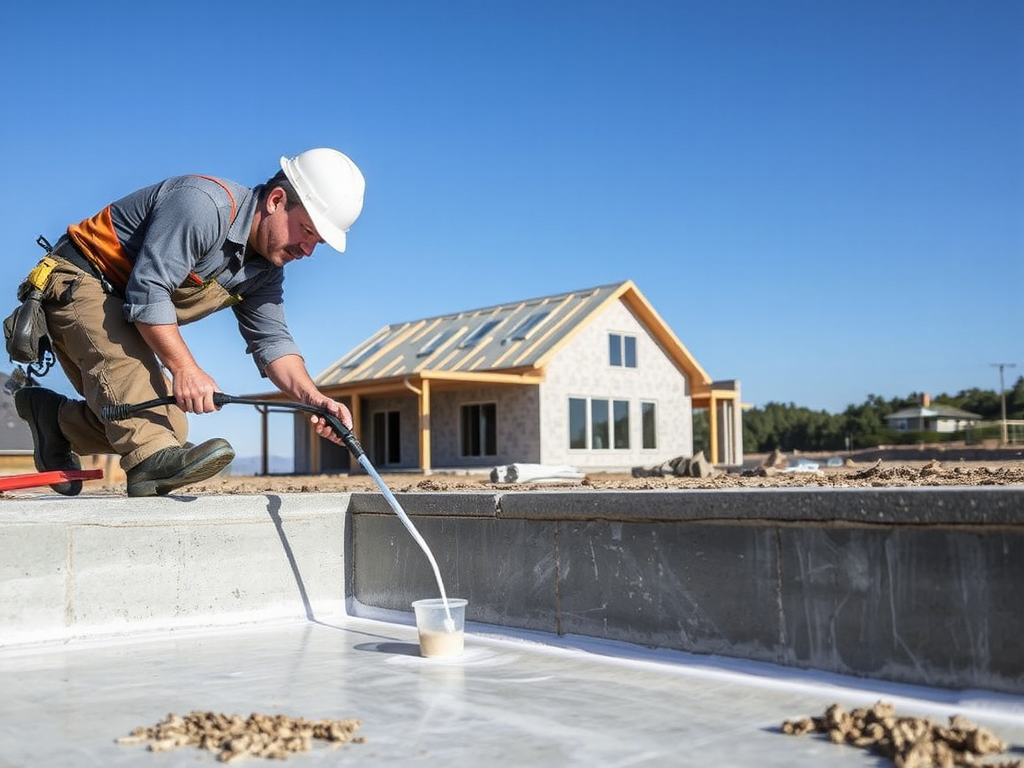
Concrete Waterproofing Newcastle NSW
Concrete is porous, and water can enter through cracks, joints, surface defects and poorly sealed connections. Over time, moisture can contribute to concrete deterioration, corrosion of embedded steel and damp conditions inside a building. Effective concrete waterproofing in Newcastle starts with identifying how water is reaching the structure, then selecting a treatment suited to the concrete's condition and intended use.
Concrete Waterproofing in Newcastle: Problems, Methods and Maintenance
Concrete waterproofing may be required for basement walls, foundations, retaining walls, concrete slabs, podiums and other structures exposed to water or persistent dampness. Each application has different requirements. A coating suitable for an exposed concrete surface may not be appropriate for a buried wall under hydrostatic pressure or a slab with active cracking.

For advice on reducing the risk of recurring moisture problems, see our guide to preventing waterproofing issues in Newcastle.
Why Does Concrete Need Waterproofing?
Concrete can absorb moisture through its pore structure, while cracks, construction joints and service penetrations can provide more direct paths for water entry. The level of risk depends on the concrete mix, workmanship, exposure conditions, drainage and the design of the structure.
Waterproofing can help limit moisture penetration, but it does not correct every underlying defect. Cracking caused by structural movement, poorly managed surface water or inadequate drainage may need separate investigation and repair.
Common signs of moisture problems
- Damp patches: Persistent moisture on basement or foundation walls may indicate water entering from the surrounding ground or another source.
- Efflorescence: White mineral deposits can form when moisture carries dissolved salts to the concrete surface.
- Cracks and leaking joints: Water may enter through cracks, construction joints or poorly sealed penetrations.
- Spalling or deteriorating concrete: Flaking, loose material or exposed reinforcement may indicate deterioration that needs assessment.
- Rust staining: Rust-coloured marks can sometimes indicate corrosion of embedded steel or nearby metal components.
- Persistent indoor dampness: Moisture entering through concrete can contribute to mould growth on susceptible adjacent materials.
These signs do not all have the same cause. Before choosing a waterproofing product, establish whether the issue comes from ground moisture, surface runoff, plumbing leaks, condensation, a failed existing membrane or another source.
Concrete Waterproofing Challenges in Newcastle
Properties around Newcastle can experience heavy rainfall, periods of high humidity and coastal exposure. The impact on concrete varies with the property's location, drainage, construction and exposure to the elements. Buildings close to the coast may also need suitable protection for metal components exposed to salt-laden air.
Several factors deserve attention when assessing a concrete structure:
- Groundwater and soil moisture: Below-ground concrete may be exposed to water pressure or moisture moving through surrounding soil.
- Surface drainage: Poorly directed roof runoff or ground levels that direct water towards a building can increase moisture exposure.
- Cracking and movement: Settlement, shrinkage and structural movement can create or enlarge pathways for water.
- Coastal exposure: Salt and moisture can contribute to corrosion risks where reinforcement or metal components are insufficiently protected.
- Repeated wetting: Areas that remain damp or regularly become saturated may need more than a surface treatment.
Freeze-thaw damage should not be assumed to be a typical Newcastle problem without evidence that the concrete experiences the necessary freezing conditions. The assessment should focus on the actual exposure and observed deterioration.
Choosing the Right Concrete Waterproofing Method
The appropriate system depends on whether the concrete is above or below ground, whether water pressure is present, the condition of the substrate and whether the surface will be exposed, covered or subject to foot traffic.
Liquid-applied waterproofing membranes
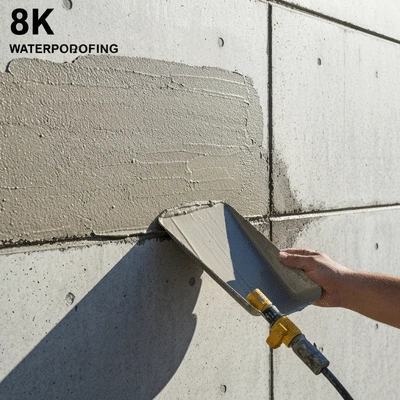
Liquid membranes form a continuous layer when applied to a compatible, properly prepared substrate. They may suit selected concrete slabs, podiums and other designed waterproofing applications. Correct surface preparation, application thickness, curing and detailing around joints and penetrations are important to performance.
Cementitious waterproofing systems
Cementitious products are used in certain concrete and masonry applications. Their suitability depends on the product, substrate condition and exposure to moisture or water pressure. They should not be treated as a universal solution for every leaking concrete wall or slab.
Crack and joint repairs
Cracks and construction joints may require a repair system selected for the type of defect and whether it is active or moving. Some injection products can be suitable for particular leaking cracks, but the cause, crack condition and structural significance should be assessed before repair. Treating a crack alone may not address water entering through other parts of the structure.
External foundation waterproofing
Where a below-ground wall is accessible, an external waterproofing system may be considered alongside appropriate drainage and protection layers. Excavation, substrate repairs and site access can affect the scope of work. The design needs to account for soil conditions, water pressure and how water will be discharged safely.
For more detail on this application, read our guide to waterproofing foundations in Newcastle.
Concrete sealers
Some sealers reduce water absorption or protect a compatible concrete surface from particular forms of exposure. However, a penetrating sealer or surface treatment is not necessarily a substitute for a designed waterproofing membrane. Confirm the product's intended purpose before relying on it to stop water ingress.
What Affects Concrete Waterproofing Costs?
There is no single price that applies to all concrete waterproofing projects in Newcastle. A small surface treatment can involve a very different scope from repairing a leaking basement wall or excavating around a foundation.
- Area and access: The size of the affected area and access restrictions influence labour and equipment requirements.
- Concrete condition: Cracks, loose material, contamination and previous coatings may require preparation or repairs.
- Water exposure: Groundwater pressure or persistent leakage may require a more involved system than occasional surface wetting.
- Waterproofing method: Material costs and installation processes vary between membranes, cementitious products, sealers and specialist repairs.
- Excavation and drainage: Below-ground work may involve excavation, spoil removal, drainage changes and reinstatement.
- Joints and penetrations: Numerous connections, corners and service entries can increase the amount of detailed work.
When requesting quotes, ask for the suspected cause of the problem, the proposed repair method, surface preparation requirements, materials to be used and any drainage or reinstatement work included. This makes it easier to compare the actual scope rather than relying on price alone.
Preparing Concrete for Waterproofing
Surface preparation is an important part of a successful waterproofing installation. Applying a product over dusty, contaminated, loose or incompatible material can compromise adhesion and may lead to premature failure.
- Inspect the surface: Identify cracks, joints, surface damage, moisture conditions and any existing coatings.
- Investigate the water source: Determine whether water is coming through the concrete, a joint, a service penetration or an external drainage problem.
- Prepare the substrate: Remove loose material and contaminants using a method suitable for the concrete and selected product.
- Repair defects: Address cracks, damaged concrete and other defects using compatible repair methods.
- Apply the specified system: Follow the manufacturer's requirements for substrate moisture, priming, thickness, reinforcement and curing.
- Inspect the finished work: Check coverage, terminations, joints and penetrations before the area is covered or returned to service.
Some waterproofing systems require a dry substrate, while others are designed for particular damp conditions. The product specification should determine the preparation and application requirements.
Maintenance and Early Intervention
Waterproofing systems and concrete structures should be checked periodically, particularly where there has been previous leakage or the structure is exposed to soil moisture and weather. An inspection after significant rainfall may help reveal drainage problems or areas where water is collecting.
- Keep gutters, downpipes and surface drainage paths clear where they affect the concrete structure.
- Look for new cracks, damp patches, efflorescence or deterioration.
- Check exposed membrane edges and accessible joints for visible damage.
- Investigate recurring leaks instead of repeatedly covering the same stain or crack.
- Arrange a suitable assessment if reinforcement is exposed, concrete is spalling or cracking appears to be worsening.
Maintenance can help identify developing issues, but it cannot replace repairs where the concrete or waterproofing system has already failed.
Standards and Project Requirements
The standards and construction requirements relevant to concrete waterproofing depend on the building element and intended application. AS 3740 relates to domestic wet areas; it is not a universal standard for foundations, retaining walls, external concrete slabs or every waterproofing project.
For a specific project, confirm the applicable requirements with the building designer, engineer or waterproofing professional and follow the selected system's technical documentation. Structural cracks, exposed reinforcement and signs of significant concrete deterioration may require assessment beyond a waterproofing treatment.
For wet-area projects, see our guide to waterproofing compliance for wet areas.
Frequently Asked Questions About Concrete Waterproofing
Why does water enter concrete?
Concrete can absorb moisture through its pore structure, while cracks, joints and penetrations can provide pathways for water. Groundwater pressure, poor drainage and defects in an existing waterproofing system can also contribute to leaks.
Can a concrete sealer stop a leaking basement wall?
Not necessarily. A sealer may reduce surface absorption in suitable conditions, but a leaking below-ground wall may require investigation of water pressure, cracks, joints, external waterproofing and drainage. The treatment should match the cause of the leak.
Does every concrete surface need a waterproofing membrane?
No. The need for waterproofing depends on the structure's purpose, exposure and design. Some surfaces may need a sealer or protective treatment, while below-ground structures or areas exposed to water may require a specified waterproofing system.
What are signs that concrete waterproofing has failed?
Possible signs include recurring leaks, damp patches, mineral deposits, membrane separation, deteriorating joints and water entering through cracks. These symptoms should be investigated because they can have causes other than membrane failure.
How can I compare concrete waterproofing quotes?
Compare the proposed diagnosis, substrate preparation, repairs, waterproofing materials, treatment of joints and penetrations, drainage work and any reinstatement. Ask each contractor to specify the areas and tasks included in the quote.
Getting the Right Concrete Waterproofing Solution
If you have damp concrete, recurring leaks or signs of deterioration at your Newcastle property, the first step is to establish the source of the moisture. The right approach may involve improving drainage, repairing cracks, treating joints, installing a suitable membrane or addressing a combination of issues.
For related guidance, read about waterproofing concrete in Newcastle and waterproofing retaining walls in Newcastle.