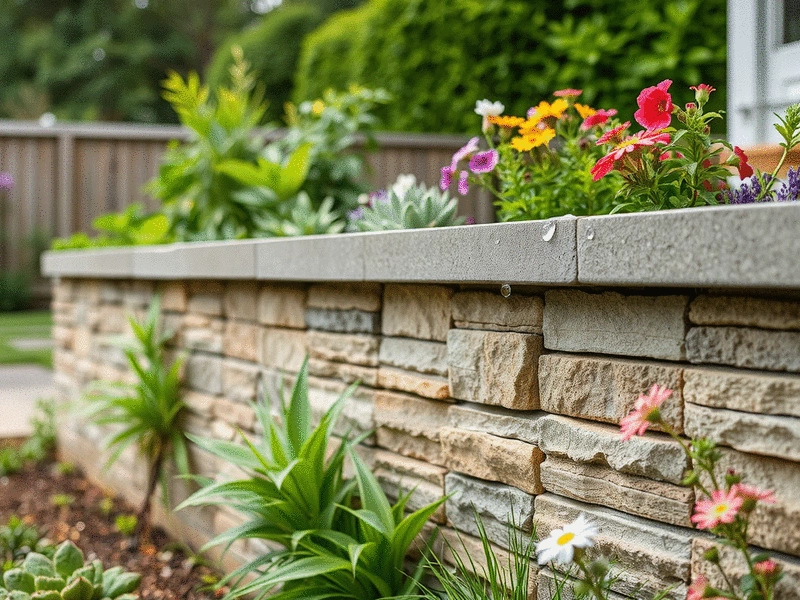
What if your retaining walls could stand the test of time against Newcastle's unpredictable weather? With the right waterproofing strategies, they can! Here’s your chance to protect your property and avoid costly repairs.
What You Will Learn
The critical role of waterproofing in maintaining the structural integrity of retaining walls.
Common causes of water damage, including excessive rainfall and poor drainage.
How Newcastle's unique weather patterns can affect retaining wall stability.
An overview of typical costs associated with waterproofing projects and the long-term savings they offer.
Key factors to consider based on different retaining wall materials, like concrete and timber.
Retaining Wall Waterproofing: Costs vs. Benefits & Damage Causes
Understanding the financial aspects and potential risks of retaining wall waterproofing is crucial for property protection. Below is a breakdown of typical project costs, long-term value, and common causes of water damage, presented to help you make informed decisions.
Typical Waterproofing Project Costs
A standard residential retaining wall waterproofing project typically ranges from $1,500 to $5,000. Costs vary based on:
Material Costs: Liquid membranes ($30-$100 per sq meter).
Labor Charges: Can add 30-50% to total project cost.
Poor Drainage: Leads to water pooling and erosion.
Surface Runoff: Displaces soil over walls.
Understanding Retaining Wall Waterproofing in Newcastle
When it comes to protecting your property, retaining wall waterproofing is an essential step that shouldn’t be overlooked. As a waterproofing specialist with over a decade of experience, I’ve seen firsthand how crucial it is to ensure these structures are well-protected against the elements. In Newcastle, where weather conditions can be unpredictable, having a reliable waterproofing solution can save you from costly repairs and significant damage down the line!
In this section, I’ll walk you through the importance of waterproofing for retaining walls, common causes of water damage, and how Newcastle's unique weather can impact these vital structures. By understanding these factors, you can make informed decisions to safeguard your property.
Why Waterproofing is Essential for Retaining Walls
Retaining walls serve a vital function in landscape design and structural integrity. They hold back soil, support structures, and prevent erosion. However, without proper waterproofing, these walls are at risk of water damage, which can lead to:
Soil erosion and instability
Cracking and structural failure
Increased maintenance costs
When waterproofing is neglected, even a minor water intrusion can cause significant issues. That's why it’s imperative to invest in high-quality waterproofing solutions. For comprehensive guidance on waterproofing, you can refer to NHBC Standards, which provides detailed information on best practices.
Common Causes of Water Damage and Erosion
Water damage can arise from various sources, and identifying them early can help you mitigate risks. Here are some common culprits:
Excessive rainfall: Prolonged heavy rain can saturate the soil, increasing pressure on retaining walls.
Poor drainage: Inadequate drainage systems can lead to water pooling, causing erosion and wall damage.
Surface runoff: Water from surrounding areas can wash over retaining walls, leading to soil displacement and erosion.
By being aware of these causes, you can take proactive measures to protect your walls effectively. For further understanding of moisture protection, the National Construction Code (NCC) provides guidelines for wet areas.
Impact of Newcastle Weather Conditions on Retaining Walls
Living in Newcastle means dealing with a variety of weather patterns, from heavy storms to long dry spells. This variability can significantly impact your retaining walls. The increased rainfall during winter can lead to heightened moisture levels, while the dry summer months can cause soil to shrink and shift, potentially compromising your walls.
Understanding this dynamic is essential for proper maintenance. Here are some considerations to keep in mind:
Regular inspections to assess wall integrity after heavy rains
Drainage solutions tailored to handle local weather patterns
Implementing soil stabilization techniques to combat shifting
By adapting to Newcastle's climate, you can ensure your retaining walls remain sturdy and reliable for years to come! The Building Performance Branch also offers insights into resolving issues related to building and retaining wall performance.
Frequently Asked Questions (FAQs)
Q1: Why is waterproofing essential for retaining walls?
A1: Waterproofing is crucial to prevent soil erosion, instability, cracking, and structural failure, ultimately extending the lifespan of your retaining wall and avoiding costly repairs.
Q2: What are the common causes of water damage to retaining walls?
A2: Common causes include excessive rainfall saturating the soil, poor drainage leading to water pooling, and surface runoff displacing soil over the walls.
Q3: How do Newcastle's weather conditions affect retaining walls?
A3: Newcastle's varied weather, including heavy storms and dry spells, can lead to heightened moisture levels in winter and soil shrinking/shifting in summer, impacting wall stability. Regular inspections and tailored drainage solutions are vital.
Q4: What is the typical cost for a residential retaining wall waterproofing project?
A4: A standard residential project usually ranges from $1,500 to $5,000, depending on material costs, labor charges (30-50% of total), and preparation expenses like surface cleaning and crack repairs.
Q5: Is the initial investment in waterproofing worth it in the long run?
A5: Yes, the initial investment is often outweighed by long-term benefits such as preventing much more costly structural repairs, increasing property value, and enhancing the durability and lifespan of the retaining wall.
Q6: Do different retaining wall materials have different waterproofing needs?
A6: Yes, concrete walls typically require robust membrane systems, timber may need regular moisture treatment and maintenance, while stone or brick walls might benefit more from drainage solutions.
We Want to Hear From You!
Have you ever experienced issues with water damage in your retaining walls? What proactive steps have you taken to prevent such problems? Share your thoughts below:
Evaluating the Costs and Benefits of Retaining Wall Waterproofing
When considering waterproofing for your retaining wall, understanding the financial implications is crucial. At Newcastle Waterproofing Solutions, I often see homeowners and businesses unsure about the costs involved in these projects. It's essential to recognize that while the initial outlay may seem significant, the long-term benefits of avoiding water damage can far outweigh these upfront expenses!
Here’s a quick overview of the typical costs you might encounter:
Material costs (membranes, sealants, drainage systems)
Labor costs for installation
Additional expenses for site preparation and repair
Long-term maintenance considerations
Being aware of these elements helps you budget effectively and ensures you can invest wisely in protecting your property.
Typical Costs Involved in Waterproofing Projects
The cost of waterproofing a retaining wall can vary significantly based on several factors. Generally, you can expect to pay between $1,500 and $5,000 for a standard residential project. However, prices can go higher depending on the complexity of the job and the materials used.
Material Costs: Depending on the type of waterproofing system chosen, you may find liquid membranes ranging from $30 to $100 per square meter.
Labor Charges: Skilled labor can add around 30-50% to the total project cost.
Preparation Costs: Surface cleaning and crack repairs can increase expenses, particularly if significant repairs are needed.
It’s worth investing in quality materials and professional services to ensure that you have a robust solution that stands the test of time.
Weighing the Long-term Value Against Initial Investment
Investing in retaining wall waterproofing may feel hefty at first, but the long-term savings can be substantial. Here’s why:
Preventing Costly Repairs: Water damage can lead to extensive structural issues, which can be much more costly to fix than waterproofing upfront.
Increased Property Value: A well-maintained property with effective waterproofing is more attractive to potential buyers.
Enhanced Durability: Waterproofing extends the life of your retaining wall, ensuring it remains functional for years to come.
By weighing these benefits, it's clear that the long-term value often surpasses the initial investment.
Cost Considerations for Different Retaining Wall Materials
Different materials used for retaining walls can impact the waterproofing costs significantly. Here’s a breakdown:
Concrete: Typically requires a robust membrane system, which can be more expensive.
Timber: Often treated for moisture resistance, but may require regular maintenance and replacement.
Stone or Brick: These materials might need less waterproofing but can still benefit from drainage solutions.
Understanding the material-specific requirements helps you plan your waterproofing strategy effectively. As a waterproofing specialist, I always recommend assessing both the material and the environmental conditions to ensure comprehensive protection for your retaining walls.
Recap of Key Points
Here is a quick recap of the important points discussed in the article:
Investing in retaining wall waterproofing is crucial to prevent soil erosion, cracking, and structural failure.
Common causes of water damage include excessive rainfall, poor drainage, and surface runoff.
Newcastle's weather patterns necessitate regular inspections and tailored drainage solutions to protect retaining walls.
Understanding the costs involved in waterproofing can help you budget effectively and avoid future repairs.
Different materials used for retaining walls have specific waterproofing needs that should be considered during planning.