
1. Initial Inspection & Assessment
Thorough examination to identify vulnerable areas and existing damage, ensuring a tailored plan.
- Identify moisture-prone areas (basements, bathrooms).
- Evaluate existing drainage systems.
Welcome to Newcastle Waterproofing Solutions
Jul 09
In Newcastle, where heavy rainfall can lead to serious water damage, understanding residential waterproofing is vital. This article unpacks essential insights into protecting your home and enhancing its longevity through effective waterproofing methods.
Protecting your home from water damage involves a detailed approach. Below is an overview of the essential stages in our waterproofing process, from initial assessment to final inspections.
Thorough examination to identify vulnerable areas and existing damage, ensuring a tailored plan.
Choosing between seamless liquid membranes or robust pre-formed sheet membranes for optimal protection.
Utilizing precise methods, including surface preparation and multi-coat application, for durability.
Allowing materials to set properly and conducting thorough checks to ensure full functionality.
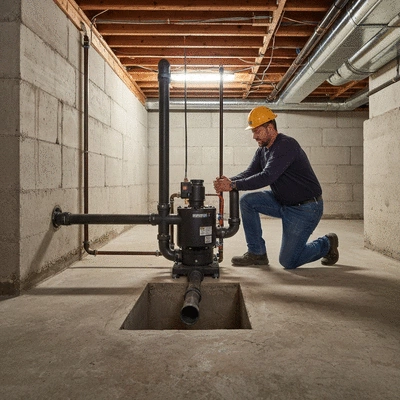
Installing sump pumps for effective water removal in basements or low-lying areas.
When it comes to protecting your home from the relentless forces of nature, residential waterproofing is your first line of defense. I’ve seen firsthand how even the smallest water leaks can lead to significant structural issues, including mold growth and compromised foundations. So, what exactly is residential waterproofing, and why is it crucial for homes in Newcastle? Let’s dive in!
Residential waterproofing involves creating barriers to prevent water from entering your home. This process is essential, especially in areas prone to heavy rainfall, like Newcastle. A well-executed waterproofing system not only protects your property but also enhances its longevity. Imagine enjoying the comfort of your home, knowing that moisture is kept at bay! For specific guidance on maintaining these standards, consider checking out understanding AS 3740 standards in Newcastle.
By investing in waterproofing solutions, you're not just safeguarding your home; you're also investing in your family's health and well-being.
In Newcastle, our unique climate presents various challenges regarding water intrusion. Here are some of the most common causes of water damage I encounter:
Understanding these causes is crucial for homeowners. By recognizing them, you can take proactive measures to protect your property and avoid costly repairs down the road.
Moisture barriers play a pivotal role in any waterproofing strategy. They act as shields against water intrusion, ensuring that your home remains dry and safe. There are two primary types of moisture barriers commonly used:
Choosing the right moisture barrier depends on your specific needs and the areas you want to protect. As a waterproofing specialist at Newcastle Waterproofing Solutions, I always emphasize the importance of adhering strictly to Australian Standards to achieve optimal results. For more details on maintaining compliance, explore waterproofing compliance for wet areas.
Did you know? Regular maintenance of your waterproofing system can significantly extend its lifespan. Scheduling annual inspections with a certified waterproofing specialist ensures that any potential issues are addressed before they become major problems. Think of it as a yearly check-up for your home’s moisture protection!
When it comes to protecting your home from water damage, understanding the residential waterproofing process is essential. At Newcastle Waterproofing Solutions, we specialize in helping homeowners navigate through this intricate yet vital process. From initial inspections to the final application of protective barriers, each step is crucial for ensuring your home stays dry and safe.
So, what does the waterproofing process entail? Let’s take a closer look at the steps involved, so you can be better informed when you consider waterproofing your property.
The waterproofing process can be broken down into several key steps, each designed to ensure that your home is effectively protected against moisture intrusion. Here’s a concise overview:
Each step is carefully designed to address specific requirements, ensuring a comprehensive approach to moisture protection. For instance, during the initial inspection, we look not just for visible issues but also for potential problem areas that may need attention.
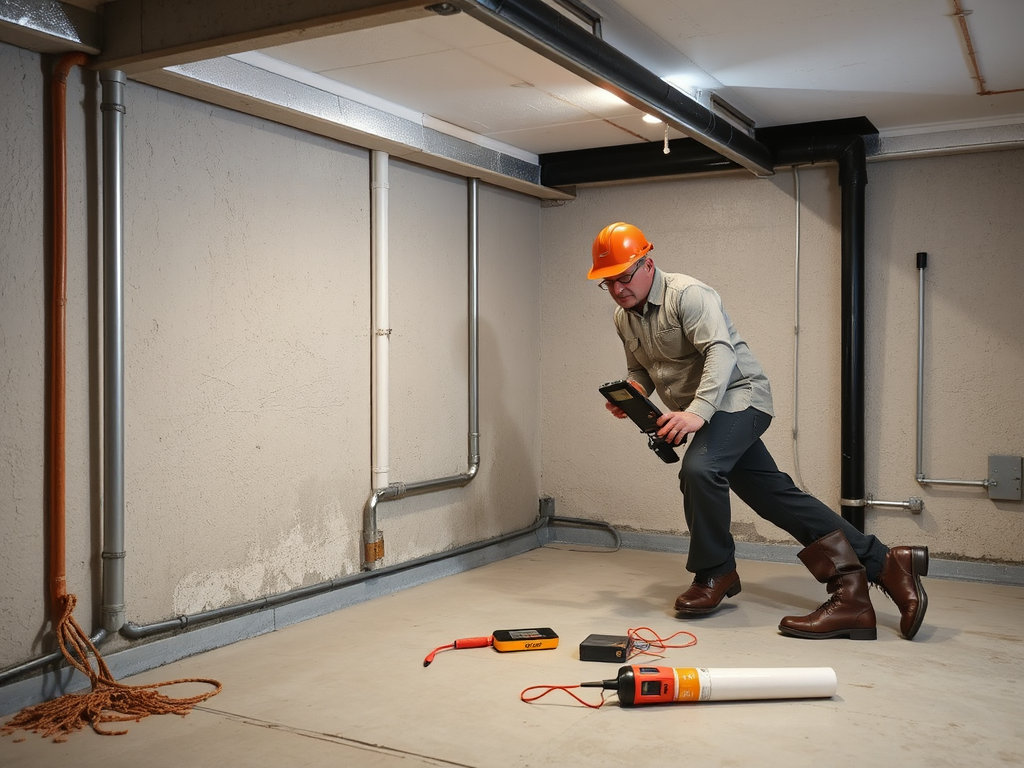
The first step in our waterproofing process is the initial inspection and assessment. At Newcastle Waterproofing Solutions, we believe that this step cannot be rushed. We conduct a detailed evaluation of your property, checking for signs of existing water damage and identifying areas that are at risk.
This thorough assessment allows us to provide you with a comprehensive plan tailored to your home’s needs. It’s the foundation for a successful waterproofing project! For a deeper dive into what our experts look for, see our waterproofing inspection checklist NSW.
Once the assessment is complete, we move on to selecting the appropriate waterproofing materials. This choice can significantly impact the effectiveness of the waterproofing.
Both options have their benefits, and our team is here to help you decide which is best for your specific situation. For example, liquid waterproofing might be suitable for intricate areas, while sheet membranes could be more effective for larger flat surfaces.
The application techniques used can determine how well the waterproofing holds up against water pressure over time. Our experienced team utilizes various methods to ensure maximum efficiency during the installation process:
By following these best practices, we can enhance the durability of your waterproofing solution. Think of it like laying the groundwork for a strong foundation!
After application comes the curing process. This step is crucial, as it allows the materials to set properly. Curing times can vary based on the materials used, and it’s vital for achieving the best results.
Once curing is complete, we conduct final inspections to ensure everything has been installed correctly and is functioning as intended. We want to guarantee that you can enjoy your waterproofed areas without worry!
Lastly, understanding sump pump installation is a critical component of managing water effectively. Sump pumps help to remove excess water that may accumulate, especially in basements or low-lying areas of your home. Here’s what our installation process usually involves:
With a well-installed sump pump, you can be confident that your basement or other vulnerable areas will remain dry, even during heavy rainfall!
Here are some common questions about residential waterproofing in Newcastle:
Here is a quick recap of the important points discussed in the article: