
Oct 15
Roof Waterproofing Newcastle NSW
Roof waterproofing helps protect a building from water entering through damaged roofing, failed joints, deteriorated membranes and poorly sealed penetrations. In Newcastle, the right solution depends on the roof type, its condition, drainage performance and where moisture is getting in. Identifying the source of a leak before choosing a treatment can help avoid unnecessary repairs and prevent recurring water damage.
Roof Waterproofing in Newcastle: Methods, Costs and Practical Considerations
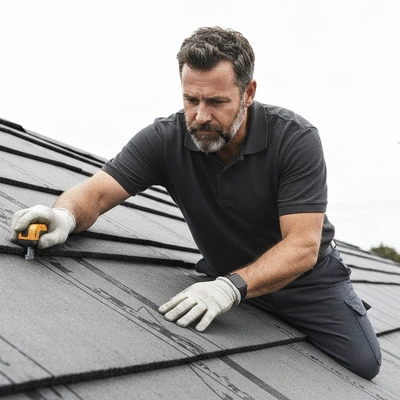
Roof waterproofing is not a single product or process. A metal roof with leaking fasteners requires a different approach from a concrete roof deck, a membrane-covered flat roof or a rooftop terrace. The first step is to identify the roof construction and determine whether the problem involves the waterproofing layer, flashing, joints, drainage or the roof covering itself.
For broader advice about moisture protection around a property, see our guide to waterproofing homes in Newcastle.
Common Roof Waterproofing Problems
Water entering a building does not always appear directly below the point where it gets in. It can travel along roof framing, insulation, joints or other building components before becoming visible on an internal ceiling or wall.
- Failed flashing and roof junctions: Connections around walls, chimneys, skylights and roof penetrations can become vulnerable as sealants and materials deteriorate.
- Damaged roof membranes: Cracks, splits, punctures or areas of separation can allow water through a membrane-covered roof.
- Blocked or inadequate drainage: Debris, obstructed outlets and poor falls can cause water to collect on flat or low-pitched roofs.
- Deteriorated roof coverings: Loose roof sheets, damaged tiles, corroded sections or failed fasteners can create entry points.
- Movement at joints: Building movement and thermal expansion can place stress on seals, junctions and membrane details.
Before applying a coating or membrane, the underlying cause needs to be assessed. Covering a leak without correcting failed flashing, defective drainage or an unstable substrate may only provide temporary relief.
Choosing a Suitable Waterproofing Method
The appropriate system depends on the existing roof material, its condition, the amount of water exposure, expected movement and whether the roof is accessible for maintenance.
Liquid-applied membranes
Liquid-applied membranes form a continuous layer when installed over a suitably prepared substrate. They can be useful on compatible roof surfaces with corners, upstands and detailed junctions. Surface preparation, reinforcement where specified, application thickness and curing conditions all affect the result.
Sheet membranes
Sheet membranes are used on suitable roof decks and other compatible surfaces. Their performance depends on correct installation, sealed seams, terminations and detailing around outlets and penetrations. They are not automatically suitable for every existing roof, so substrate compatibility must be checked.
Bituminous systems
Bituminous membranes are used in some flat and low-slope roofing applications. The system must suit the roof structure and exposure conditions, with particular attention to seams, edges, penetrations and drainage. Installation requirements also depend on the product selected.
Roof coatings
A roof coating may help protect a compatible roof surface or form part of a specified waterproofing system. However, not every roof paint or reflective coating is a waterproof membrane. Confirm the product's intended use and suitability before applying it, and repair defects in the existing roof first where required.
For more information about flat and rooftop systems, read our guide to rooftop waterproofing solutions in Newcastle.
What Affects Roof Waterproofing Costs?
Roof waterproofing costs vary significantly, so a generic price per square metre should not be treated as a reliable quote for a Newcastle property. The final price depends on the actual condition of the roof and the work needed to provide a suitable repair or waterproofing system.
- Roof area and access: The size of the work area and the access equipment required can affect labour and setup costs.
- Existing roof condition: Removing failed materials, repairing the substrate or replacing damaged components may add to the scope.
- System and materials: Different membranes, coatings and installation methods have different material and labour requirements.
- Roof details: Outlets, penetrations, parapets, wall junctions and numerous corners can require additional detailing.
- Drainage and falls: Correcting ponding or drainage defects may be necessary before a new system can be installed.
- Removal and disposal: Stripping an existing membrane or roof covering can add work compared with a suitable repair to a sound surface.
When comparing quotes, check that each contractor has identified the suspected source of water entry and described the preparation, repairs, proposed system and areas included in the price. Ask whether drainage corrections, removal of failed materials and reinstatement are included, rather than comparing the headline figure alone.
Roof Waterproofing in Newcastle's Conditions
Roofs in Newcastle need to cope with rain, periods of strong sun, temperature changes and, in exposed locations, salt-laden air. These conditions can affect roofing materials and detailing in different ways. Coastal exposure may accelerate corrosion of unsuitable or poorly protected metal components, while heat and temperature changes can contribute to movement in roof materials and joints.
During an inspection, attention should be given to:
- Corrosion, damaged fasteners and deteriorated seals on metal roofing.
- Membrane condition at exposed edges, joints and penetrations.
- Roof outlets, gutters and downpipes that may restrict water discharge.
- Low points where water collects after rain.
- Cracks or movement at connections between the roof and adjoining walls.
These are inspection considerations rather than proof that a particular roof has a defect. The correct treatment should follow the findings at the property, not simply the location or the age of the roof.
Inspection, Preparation and Installation
A practical roof waterproofing process generally begins with an assessment of the roof covering, junctions, drainage and visible signs of moisture entry. Where the source is unclear, further investigation may be needed because the visible stain inside the building may not align with the point of entry.
- Assess the roof: Identify the roof type, visible defects, drainage arrangements and likely entry points.
- Confirm the cause: Distinguish membrane failure from defects in flashing, fasteners, roof coverings or drainage.
- Prepare the surface: Remove contaminants and loose or failed materials as required by the selected system.
- Complete necessary repairs: Address substrate defects, joints, outlets and other components that could undermine the waterproofing work.
- Install the specified system: Follow the manufacturer's requirements for preparation, coverage, detailing and curing.
- Check the finished work: Inspect critical junctions and confirm that drainage paths and outlets are functioning as intended.
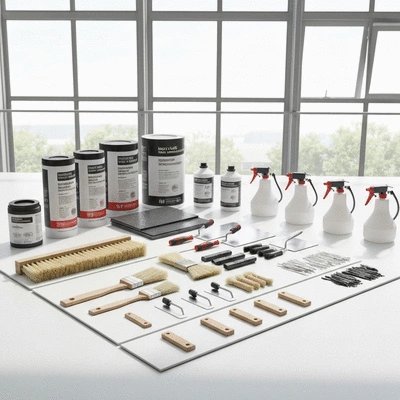
Roof work can involve fall hazards, fragile surfaces and electrical or access risks. Avoid walking on a roof unless it is safe to do so, and use an appropriately qualified professional where access or inspection presents a risk.
Standards and Project Requirements
The applicable requirements depend on the roof design, building type and waterproofing application. AS 3740 concerns domestic wet areas and should not be treated as a universal standard for roof waterproofing. Other standards, the National Construction Code, product specifications and project-specific requirements may be relevant to particular roof or external waterproofing systems.
For a project involving a roof deck, balcony or rooftop terrace, confirm which requirements apply to the actual construction and intended use. Where approvals or building work requirements may apply, check with the relevant building professional or authority rather than assuming every roof repair needs the same permit.
Frequently Asked Questions About Roof Waterproofing
How do I know if my roof needs waterproofing?
Signs may include recurring leaks, damp ceiling patches, peeling internal finishes, damaged membrane areas, deteriorated flashing or water that remains pooled on a flat roof. These symptoms can have several causes, so inspect the roof and identify the source before selecting a repair.
Can a roof coating stop an existing leak?
Sometimes, if the coating is designed for the roof surface and the leak is caused by a defect it can properly address. A coating will not reliably solve every leak, particularly where the cause is failed flashing, defective drainage, movement or damaged roof components.
How much does roof waterproofing cost in Newcastle?
There is no dependable single price for every roof. Costs depend on the area, access, substrate condition, repair work, waterproofing system and detailing required. Obtain a site-specific quote that clearly describes the work included.
Is waterproofing suitable for every type of roof?
No single membrane or coating suits all roofs. Metal roofing, tiled roofs, concrete roof decks and membrane-covered flat roofs have different requirements. The selected solution must be compatible with the roof construction and address the actual source of water entry.
What should I check when comparing waterproofing quotes?
Compare the diagnosis, preparation, repairs, proposed materials, treatment of joints and penetrations, drainage work, access arrangements and any stated inspection or maintenance requirements. Make sure each quote covers a comparable scope of work.
Arrange a Roof Waterproofing Assessment
If your Newcastle property has a recurring roof leak or signs of moisture entry, start by identifying the cause and assessing the condition of the affected roof area. A suitable repair may involve correcting flashing or drainage, repairing the roof covering, or installing a compatible waterproofing system.
For related advice, see our guides to waterproofing roofs in Newcastle and preventing waterproofing issues in Newcastle.