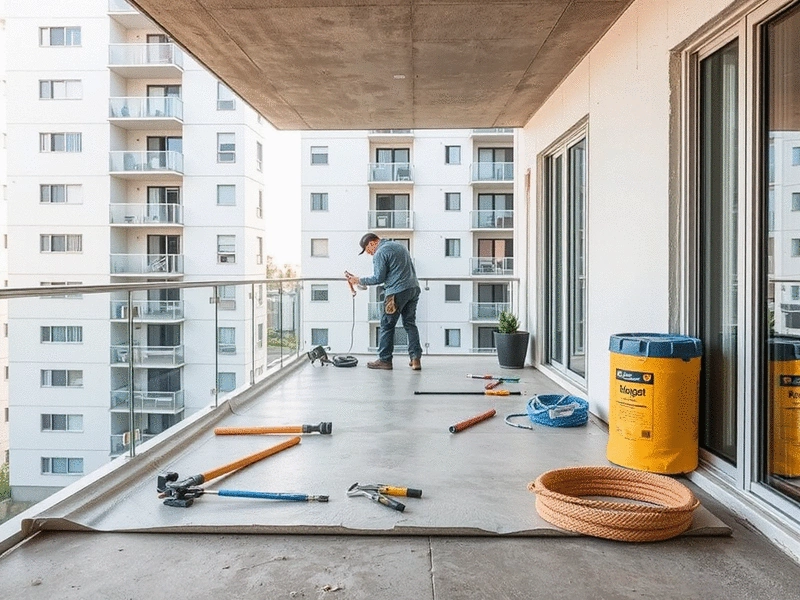
Oct 15
Apartments Waterproofing Maitland NSW
Water ingress in an apartment can affect more than the area where a leak first appears. Water from a failed bathroom membrane, leaking balcony or deteriorating external joint may damage adjoining rooms, building materials or the apartment below. For apartment owners and strata managers in Maitland, identifying the source early is an important step towards preventing further damage.
This guide explains common apartment waterproofing problems, the areas that need attention, and what to consider when investigating or planning waterproofing work in Maitland, NSW.
Understanding Apartment Waterproofing in Maitland
Apartment waterproofing involves preventing water from penetrating vulnerable parts of a building. Depending on the property, this may include bathrooms, showers, balconies, rooftop areas, external walls and below-ground structures. The correct approach depends on where the water is entering, the construction of the building and the condition of the existing waterproofing system.
In an apartment building, a leak can be difficult to trace because the visible damage may be some distance from the original source. Water staining on a ceiling, for example, may be associated with a bathroom, balcony, plumbing connection or another building element above it. Repairing the damaged finish without identifying the source may leave the underlying problem unresolved.
For broader information about multi-unit properties, see our guide to waterproofing apartments in Newcastle.
Common Waterproofing Problems in Maitland Apartments
Waterproofing issues can develop as membranes age, joints deteriorate, drainage becomes obstructed or building components move. The location and pattern of moisture can help guide an investigation, although symptoms alone do not confirm the source of a leak.
Bathroom and Shower Leaks
Bathrooms receive regular water exposure, making the shower area, floor junctions, penetrations and connections around fixtures important inspection points. Damaged grout or sealant may allow water to pass through surface joints, but replacing these materials will not repair a failed waterproofing membrane underneath the tiles.
Signs that warrant further investigation include dampness outside the shower, swollen skirting boards, loose tiles, persistent musty smells or water appearing on the ceiling of the apartment below.
Read more about waterproofing solutions for Maitland wet areas and shower waterproofing in Maitland.
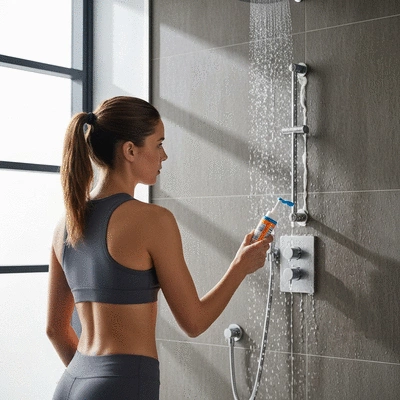
Balcony and Rooftop Water Ingress
Balconies and rooftop areas are exposed to rain, temperature changes and ongoing weathering. Cracked surface finishes, deteriorated joints, ineffective drainage or a damaged membrane can allow water to reach the structure beneath.
Water entering through an apartment balcony may affect internal walls, flooring or the ceiling of the unit below. A rooftop leak can also travel along building components before becoming visible indoors, so the location of a stain does not necessarily identify the point of entry.
Investigations should consider the membrane, drainage outlets, door thresholds, junctions and any penetrations through the waterproofed surface. The appropriate repair depends on the construction and condition of the affected area.
For related information, see balcony waterproofing solutions in Maitland and rooftop waterproofing solutions in Maitland.
Leaks Affecting Neighbouring Apartments
Water can move through floor assemblies, wall cavities and service penetrations, meaning a leak may affect more than one apartment. A damp ceiling below a bathroom or balcony is a reason to investigate the source rather than simply repainting the damaged area.
Where multiple units or shared building elements may be involved, owners should notify the strata manager or relevant building representative. Coordinating access and investigating the building as a whole can help establish whether the issue is associated with an individual apartment, common property, plumbing or another source.
Signs That an Apartment May Need Waterproofing Repairs
Some moisture problems are immediately obvious, while others develop gradually. Apartment owners and property managers should pay attention to changes in surfaces, odours and moisture levels, particularly around wet areas and external building elements.
- Water stains: Discolouration on ceilings, walls or flooring may indicate moisture entering the building.
- Peeling paint or bubbling finishes: These can occur when moisture accumulates behind a painted or finished surface.
- Loose or drummy tiles: Changes in tile adhesion may warrant investigation, although they do not prove that a membrane has failed.
- Persistent musty odours: These may indicate damp materials or concealed moisture.
- Water appearing after rainfall: This can point towards a balcony, roof, external joint or drainage issue, depending on the location and circumstances.
- Recurring dampness near a shower: Repeated moisture outside the wet area may require further investigation of the membrane, joints or plumbing.
These signs are useful warning indicators, but they do not establish a definitive diagnosis. Plumbing leaks, condensation, defective drainage and water entering through external building elements can produce similar symptoms.
Our waterproofing inspection checklist for NSW provides further guidance on areas to check when investigating potential moisture problems.
Choosing the Right Waterproofing Approach
There is no single waterproofing method suitable for every apartment. The choice depends on the location of the leak, the substrate, existing finishes, access requirements and whether the existing membrane can be repaired or needs more extensive replacement.
Liquid and Sheet Membranes
Liquid-applied membranes form a continuous coating when installed and cured according to the product requirements. Sheet membranes provide a preformed waterproofing layer. Both approaches require appropriate preparation and careful treatment of corners, joints, penetrations and connections to drainage components.
The suitability of a system depends on the application and the manufacturer's installation requirements. Applying a new coating over an unsuitable or deteriorated surface may not resolve the underlying problem.
Joint and Sealant Repairs
Sealants are used at certain joints and connections to accommodate movement and help prevent water entry. They can be useful where a joint has deteriorated, but they are not a substitute for a functioning waterproofing membrane where one is required.
Before carrying out a localised repair, it is important to establish whether the problem is limited to the joint or extends to the underlying waterproofing system.
Drainage and Surface Falls
Water needs a suitable path towards the intended drainage point. Blocked outlets, inadequate drainage or areas where water collects can contribute to persistent moisture exposure and may complicate waterproofing performance.
Balcony, rooftop and wet-area investigations should consider drainage as well as the membrane itself. A membrane repair alone may not resolve a problem if the contributing drainage issue remains.
Waterproofing Standards and Apartment Renovations
Domestic bathrooms and other wet areas may be subject to relevant Australian building requirements and waterproofing standards. AS 3740 relates to waterproofing domestic wet areas, but it should not be treated as a universal standard for every part of an apartment building. Balconies, rooftops, below-ground structures and other applications may involve different requirements depending on the project.
When planning renovation or repair work, confirm the requirements applicable to the building, the specific area being waterproofed and the proposed work. Existing construction, the extent of the repair and the building's approval arrangements may also affect what is required.
For further reading, see understanding AS 3740 standards and waterproofing compliance for wet areas.
When to Arrange a Waterproofing Assessment
An assessment is worth considering when water stains return after repainting, moisture spreads beyond a bathroom or balcony, a leak affects another apartment, or previous repairs have not resolved the problem.
Before arranging work, gather useful information about when the leak occurs, whether it follows rainfall or shower use, which surfaces are affected and whether the problem has changed over time. Photographs of visible damage can also help document the issue. Avoid assuming that the nearest visible defect is necessarily the source.
Where water may be affecting electrical fittings or creating an immediate safety concern, keep clear of the affected area and arrange appropriate assistance. If the leak involves neighbouring units or common property, notify the strata manager or relevant building representative promptly.
Frequently Asked Questions About Apartment Waterproofing in Maitland
Which areas of an apartment commonly need waterproofing?
Bathrooms, showers, balconies and rooftop areas are common locations where waterproofing is important. The specific requirements depend on the building's design and the areas exposed to water.
Can a leak in one apartment damage another unit?
Yes. Water can travel through building materials and service penetrations, potentially affecting ceilings, walls or finishes in neighbouring apartments. The source should be investigated before repairs are limited to visible damage.
Does replacing shower grout fix a waterproofing leak?
Not necessarily. Grout and sealant repairs may address surface-joint problems, but they will not restore a failed membrane beneath the tiles. The cause of the leak needs to be identified before selecting a repair.
What should I do if a balcony leaks into the apartment below?
Document the visible damage, notify the relevant owner or strata representative and arrange an investigation of the balcony, drainage, membrane and junctions. The appropriate repair depends on the confirmed source and the balcony's construction.
Does AS 3740 apply to every waterproofing job in an apartment building?
No. AS 3740 concerns domestic wet-area waterproofing. Other areas, such as rooftops, balconies and below-ground structures, may be subject to different requirements depending on the application and project.
Should the source of a leak be confirmed before repairs begin?
Where possible, yes. Water may travel away from its entry point, and several different problems can cause similar signs of dampness. Identifying the likely source helps determine whether the work needs to address plumbing, drainage, joints, a membrane or another building component.
Apartment Waterproofing in Maitland: Next Steps
Waterproofing problems in apartments can involve individual wet areas, exposed balconies, rooftops or shared building elements. Early investigation helps clarify the likely source and the scope of work required, particularly when more than one apartment may be affected.
For related information, explore our guides to residential waterproofing in Maitland, concrete waterproofing in Maitland and bathroom leak repairs in Maitland.