Oct 15
Wet Areas Waterproofing Maitland NSW
Wet-area waterproofing helps protect building materials from moisture entering areas such as bathrooms, showers and laundries. If waterproofing fails, water can reach adjoining walls, floors and other building components, potentially leading to deterioration and expensive repairs.
For property owners in Maitland, identifying moisture problems early and choosing a suitable waterproofing system can help protect the building and reduce the risk of recurring leaks.
Understanding Wet-Area Waterproofing in Maitland
Wet-area waterproofing involves preparing surfaces and installing appropriate waterproofing materials in areas exposed to water. The system must suit the location, substrate, expected water exposure and construction details.
Bathrooms, showers and laundries commonly require particular attention to floor and wall junctions, penetrations, drainage outlets and other areas where water may escape. Kitchen requirements depend on the layout and the extent of water exposure.
For more information about protecting an entire property, read our guide to waterproofing solutions for Maitland homes.
Why Is Wet-Area Waterproofing Important?
Water can travel through gaps, cracks and poorly sealed junctions. Even when the visible surface appears intact, moisture may affect concealed materials if water passes through a failed or incomplete waterproofing system.
Suitable waterproofing helps to:
- Reduce the risk of water entering adjoining building materials.
- Protect walls, floors and nearby finishes from moisture damage.
- Limit conditions that encourage mould growth.
- Reduce the likelihood of repairs caused by persistent water entry.
- Support the durability of wet-area finishes and building components.
Common Signs of Wet-Area Waterproofing Problems
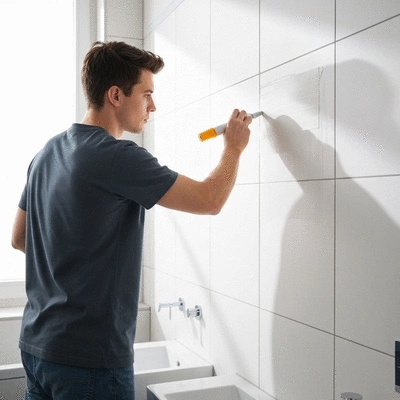
Waterproofing faults are not always immediately visible. Watch for changes around showers, baths, laundry areas and other locations exposed to regular water use.
- Water escaping from a shower enclosure or wet area.
- Persistent dampness on adjoining walls or ceilings.
- Peeling paint, bubbling finishes or damaged skirting boards.
- Musty smells or visible mould in areas that remain damp.
- Loose tiles, deteriorating grout or damaged sealant.
- Water stains appearing below or beside a wet area.
These symptoms do not automatically confirm waterproofing failure. Leaking plumbing, blocked drainage, condensation and failed surface sealants can cause similar problems. Identifying the actual source is important before deciding on repairs.
Waterproofing Materials and Application Methods
Liquid Waterproofing Membranes
Liquid-applied membranes are installed as a coating over appropriately prepared surfaces. They can be useful around corners and irregular details, provided the selected product is suitable for the application and is installed at the specified coverage and thickness.
Sheet Membranes
Sheet membranes provide a preformed waterproofing layer. Their performance depends on suitable substrate preparation and correct treatment of seams, corners, penetrations and connections to drainage outlets.
Neither system is automatically suitable for every wet area. The substrate, product specifications, site conditions and installation requirements should guide the selection.
Junctions, Corners and Penetrations
Waterproofing needs careful detailing where different surfaces meet and where pipes or fittings pass through walls and floors. These locations can become vulnerable if the membrane is discontinuous or incompatible materials are used.
For shower-specific information, see our guide to shower waterproofing services in Newcastle.
Wet-Area Waterproofing Requirements
Domestic wet-area waterproofing in Australia may be subject to relevant building requirements and Australian Standards, including AS 3740 where applicable. The requirements depend on the type of building, the area being waterproofed and the scope of the work.
Correct preparation, compatible materials, suitable membrane application and attention to junctions are important parts of the process. A product being labelled as waterproof does not, by itself, establish that the complete installation meets the applicable requirements.
For further information, read our guides to understanding AS 3740 and waterproofing compliance for wet areas.
Planning Wet-Area Waterproofing in Maitland
Before waterproofing begins, the condition of the area should be assessed. Existing leaks, loose finishes, damaged substrates and plumbing problems may need attention before a new membrane can be installed.
When arranging a project, consider the following:
- Identify the affected area: Establish whether the work involves a shower, bathroom floor, laundry or another wet area.
- Investigate existing moisture: Determine whether the issue relates to waterproofing, plumbing, drainage or another source.
- Check the substrate: Surfaces may require cleaning, repairs or preparation before the membrane is applied.
- Confirm product suitability: The membrane and associated materials should be appropriate for the location and substrate.
- Allow for curing: Follow the manufacturer's requirements before tiling, covering the membrane or returning the area to service.
The time required depends on the size and condition of the area, preparation and repair work, the chosen system and its curing requirements.
Maintaining Wet Areas and Preventing Water Damage
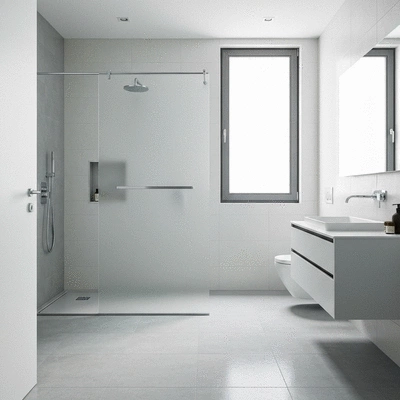
Regular checks can help identify developing problems before they cause more extensive damage. Pay attention to changes in sealant, grout, tile condition and the surfaces adjoining showers, baths and laundry fixtures.
- Check visible sealant and grout for deterioration.
- Investigate water escaping from shower screens or around fixtures.
- Address leaking taps, pipes and drainage problems promptly.
- Look for recurring damp patches on adjoining walls or ceilings.
- Investigate persistent musty odours or visible mould.
Surface sealants and grout can help manage water at exposed joints, but they are not substitutes for a correctly installed waterproofing membrane. If moisture returns after minor repairs, investigate the underlying cause rather than repeatedly treating the visible symptoms.
Our guide to preventing waterproofing issues provides further information about recognising and managing common problems.
Frequently Asked Questions About Wet-Area Waterproofing
Which areas of a home may need waterproofing?
Bathrooms, showers and laundries are common wet areas. The specific waterproofing requirements depend on the building, the intended use of the space and the applicable construction requirements.
What are the signs of failed wet-area waterproofing?
Possible signs include water escaping from a shower, damp adjoining walls, peeling finishes, persistent musty smells and water stains on ceilings or floors. Plumbing leaks and drainage problems can produce similar symptoms, so the source should be investigated.
Are liquid and sheet membranes equally suitable?
Both can be suitable for particular applications, but the best option depends on the substrate, wet-area design, product specifications and installation details. Neither should be selected without considering the conditions of the project.
Does regrouting a shower fix waterproofing failure?
Not necessarily. Regrouting may address deteriorated grout, but it does not repair a failed membrane beneath the tiles. If water continues to escape or adjoining areas remain damp, further investigation may be needed.
Does AS 3740 apply to every waterproofing project?
AS 3740 relates to domestic wet-area waterproofing. Its applicability depends on the project and relevant requirements; it should not be treated as a universal standard for every type of waterproofing work.
Choosing a Wet-Area Waterproofing Contractor
When comparing waterproofing providers in Maitland, ask about their proposed system, surface preparation, treatment of junctions and penetrations, curing requirements and the documentation provided for the work.
Check relevant qualifications and insurance, and ask the contractor to explain how the proposed approach addresses the cause of any existing moisture problem. Clear information about the scope of work and materials makes it easier to understand what the project involves.
For bathroom-specific guidance, visit our page about waterproofing your bathroom in Maitland.
Addressing wet-area waterproofing issues early can help limit moisture damage and avoid unnecessary repeat repairs. The appropriate solution starts with assessing the area, identifying the source of water and selecting a system suited to the building and its conditions.