Oct 15
Bathroom Waterproofing Maitland NSW
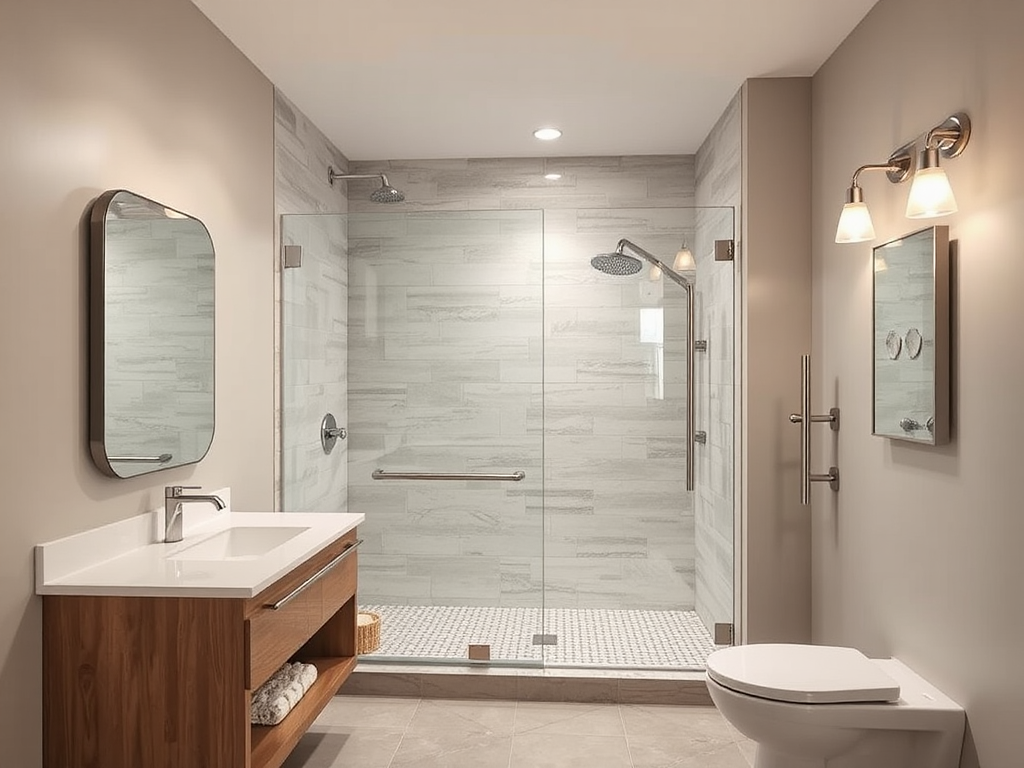
Bathroom waterproofing helps prevent water from escaping through floors, walls and junctions into surrounding building materials. In Maitland, NSW, homeowners planning a bathroom renovation or investigating a leak need to consider the condition of the existing membrane, drainage, plumbing connections and tiled surfaces before deciding on repairs.
This guide explains how bathroom waterproofing works, common signs of failure, the difference between membranes and sealants, and practical steps for maintaining a bathroom and investigating moisture problems.
Understanding Bathroom Waterproofing in Maitland
Bathroom waterproofing involves creating a protective barrier in areas exposed to water, particularly showers, bathroom floors and other designated wet areas. The system must be suitable for the substrate and installed with attention to corners, floor-to-wall junctions, pipe penetrations and drainage connections.
Tiles and grout form the visible finish, but they should not be treated as the waterproofing system itself. Water can pass through joints and reach the layers beneath, which is why the membrane and its connections are important.
For broader information about protecting properties in the area, see our guide to residential waterproofing in Maitland.
Why Bathroom Waterproofing Matters
Bathrooms experience repeated water exposure from showers, baths, basins and cleaning. If water reaches materials that are not designed to remain wet, it can contribute to deterioration, damaged finishes and persistent dampness.
Effective waterproofing helps manage this risk, but its performance depends on appropriate preparation, installation, compatible materials and the condition of the surrounding building components.
- Helps protect building materials: A suitable waterproofing system limits water penetration into vulnerable surfaces.
- Reduces the risk of concealed moisture: Properly detailed wet areas help prevent water from entering wall and floor assemblies.
- Supports easier maintenance: Addressing leaks and deteriorating joints early can reduce the extent of subsequent repairs.
- Helps protect adjoining rooms: Water escaping a bathroom can damage nearby flooring, skirting boards, walls or ceilings below.
Common Signs of Bathroom Waterproofing Problems
A failed membrane is not always visible because it sits beneath the finished surface. However, changes around the bathroom may indicate that further investigation is needed.
- Peeling paint or swollen skirting boards: Moisture may be affecting surfaces outside the shower or bathroom.
- Loose or cracked tiles: These may indicate movement, deterioration or moisture-related damage, although they do not prove membrane failure.
- Water appearing outside the shower: Repeated dampness may relate to the shower enclosure, drainage, plumbing or waterproofing details.
- Stains on ceilings below: Water entering from an upstairs bathroom may become visible in the room underneath.
- Persistent musty smells: These can be associated with concealed damp materials or inadequate ventilation.
- Recurring leaks after surface repairs: If replacing grout or sealant does not resolve the problem, the source may lie deeper within the assembly.
These signs can have several causes, including plumbing faults, condensation and drainage problems. The source should be investigated before selecting a repair method.
For more guidance, see our bathroom leak repair tips for Maitland.
Bathroom Waterproofing Products and Their Uses
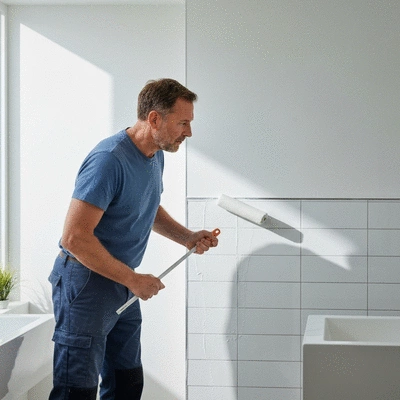
Different waterproofing products suit different applications. The correct choice depends on the substrate, the design of the wet area, product compatibility and the installation requirements.
Liquid-Applied Membranes
Liquid membranes are applied to a prepared surface and form a continuous coating when installed and cured according to the manufacturer's instructions. They can suit areas with corners, changes of plane and other details that require careful application.
Correct preparation, coverage, curing and detailing are important. Applying a membrane over a poorly prepared or unsuitable surface may compromise the result.
Sheet Membranes
Sheet membranes provide a preformed waterproofing layer. Their suitability depends on the product, substrate and bathroom design. Seams, corners, penetrations and connections to drainage components need to be detailed in accordance with the system requirements.
Sealants and Grout
Grout fills the joints between tiles, while flexible sealants are used at selected junctions and connections. These materials have different functions from the waterproofing membrane beneath the finished surface.
Replacing deteriorated grout or sealant can be appropriate for a localised surface problem, but it will not restore a failed membrane. Where leaks continue after surface repairs, further investigation may be necessary.
Bathroom Waterproofing During Renovations
A bathroom renovation provides an opportunity to inspect the substrate and waterproofing details before new tiles and fixtures conceal them. The amount of work required depends on the existing construction and the extent of the renovation.
Before waterproofing begins, consider the following:
- Surface preparation: The substrate must be suitable for the selected waterproofing system.
- Existing damage: Deteriorated materials, moisture damage and any underlying leaks should be addressed before the new system is installed.
- Junctions and penetrations: Corners, pipe openings and floor wastes require appropriate detailing.
- Product compatibility: Primers, membranes, tapes and other components should be suitable for use together.
- Curing and sequencing: Follow the product instructions before proceeding with tiling or exposing the area to water.
If an existing bathroom is leaking, simply installing new tiles or applying a coating over the finished surface may not resolve the underlying cause. The appropriate scope of work should be determined after assessing the condition of the existing assembly.
Australian Standards and Wet-Area Requirements
AS 3740 concerns waterproofing domestic wet areas. The requirements relevant to a bathroom project depend on the work being undertaken, the building and the applicable regulatory provisions. A particular product or repair should not be assumed to satisfy all requirements simply because it is described as waterproof.
For a renovation or new installation, confirm the relevant requirements and ensure the waterproofing system is installed according to the applicable specifications and manufacturer instructions.
For further information, read our guide to AS 3740 standards and the information on waterproofing compliance for wet areas.
Maintaining a Waterproof Bathroom
Routine checks can help identify visible deterioration before it leads to more extensive damage. Maintenance cannot guarantee that a concealed membrane remains intact, but it can help reveal problems that deserve attention.
- Check visible sealant joints for gaps, separation or deterioration.
- Keep floor wastes and shower drains clear of hair and debris.
- Look for recurring damp patches, staining or changes to nearby finishes.
- Address leaking taps, shower fittings and plumbing connections promptly.
- Monitor any previously repaired areas for signs that moisture has returned.
- Maintain suitable bathroom ventilation to help control condensation.
If water is escaping the bathroom, recurring after repairs or affecting another room or property, investigate the source rather than relying on repeated cosmetic fixes.
Our waterproofing inspection checklist for NSW provides additional guidance on identifying potential moisture issues.
When to Arrange a Bathroom Waterproofing Assessment
Consider an assessment if a leak continues after surface repairs, water is appearing outside the wet area, tiles or surrounding finishes are deteriorating, or moisture is affecting a room below the bathroom.
Before arranging an assessment, note when the problem occurs, which surfaces are affected and whether it follows shower use, plumbing use or rainfall. Photographs can help document changes over time, although they cannot always establish the source of a concealed leak.
Where water may be affecting an adjoining property or shared building element, notify the relevant owner or strata representative as appropriate. If water is close to electrical fittings, avoid the affected area and arrange suitable assistance.
Frequently Asked Questions About Bathroom Waterproofing in Maitland
What is bathroom waterproofing?
Bathroom waterproofing uses a suitable membrane system and carefully detailed connections to limit water penetration into building materials in designated wet areas.
Can grout prevent a bathroom from leaking?
Grout fills the joints between tiles but does not replace the waterproofing membrane. Regrouting may address a surface issue, but a leaking bathroom may require further investigation.
What is the difference between liquid and sheet membranes?
Liquid membranes are applied as a coating, while sheet membranes are installed as a preformed layer. The suitable option depends on the application, substrate, product requirements and detailing.
Does every bathroom leak mean the waterproofing membrane has failed?
No. Leaks can also arise from plumbing faults, drainage issues, deteriorated joints or other sources of water ingress. The cause should be established before choosing a repair.
When should bathroom waterproofing be checked?
Arrange an investigation when you notice recurring leaks, dampness outside the shower, damaged finishes or water stains in a room below. The need for further work depends on the findings.
Does AS 3740 apply to bathroom waterproofing?
AS 3740 relates to waterproofing domestic wet areas. Confirm the requirements applicable to the particular project rather than assuming one standard covers every waterproofing application.
Bathroom Waterproofing in Maitland
Effective bathroom waterproofing depends on choosing a suitable system, preparing the substrate correctly and detailing vulnerable connections. If a leak develops, identifying its source is an important first step towards selecting an appropriate repair.
For related information, explore our guides to waterproofing your bathroom in Maitland, waterproofing Maitland wet areas and waterproofing solutions for Maitland homes.