Oct 15
Roof Waterproofing Maitland NSW
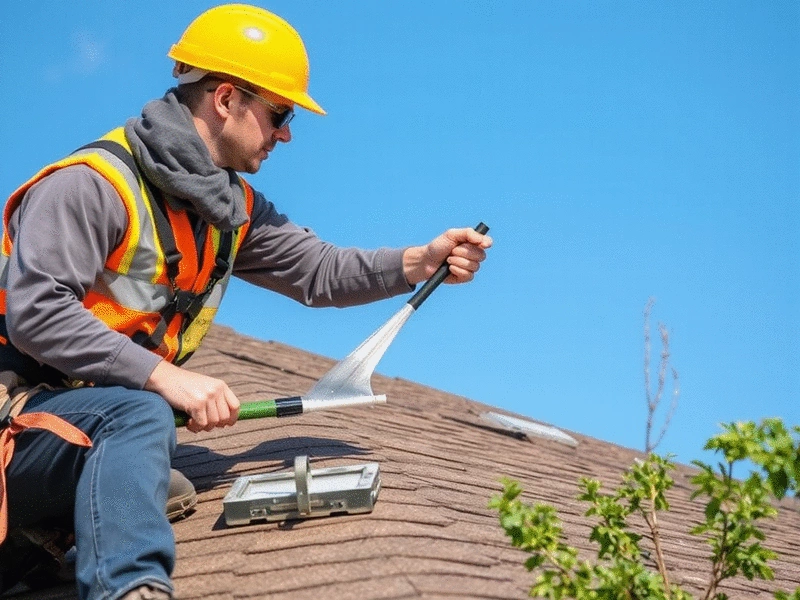
Roof waterproofing helps protect a property from water entering through vulnerable roof surfaces, joints, penetrations and drainage points. In Maitland, periods of heavy rain can expose existing defects, making regular roof inspections and appropriate waterproofing important for maintaining the building's condition.
The right solution depends on the roof's construction, its current condition, the source of any leaks and how water drains from the surface. Identifying these factors before selecting a membrane or coating helps ensure that the repair addresses the underlying problem rather than simply covering visible damage.
Understanding Roof Waterproofing in Maitland
Roof waterproofing involves applying or repairing a protective system that limits water penetration through a roof. Depending on the building, this may involve liquid-applied membranes, sheet membranes, compatible roof coatings or repairs to existing waterproofing details.
Water can enter around roof penetrations, flashing, seams, parapets, outlets and areas where the existing membrane has deteriorated. Blocked drainage points, ponding water, cracks and movement around joints can also contribute to leaks.
For property owners, the first step is to establish where water is entering and whether the problem relates to the waterproofing layer, roof drainage, flashing or another building component. Replacing or coating a membrane without addressing the underlying cause may not resolve the leak.
For broader guidance, see our roof waterproofing services in Maitland and rooftop waterproofing solutions in Maitland.
Common Roof Waterproofing Problems
Roof leaks can develop gradually or become noticeable during prolonged rainfall. Some warning signs appear inside the building, while others can be found around the roof's surface and drainage system.
- Ceiling stains and damp patches: Discolouration, bubbling paint or damp plaster may indicate water ingress from above.
- Cracked or deteriorated membranes: Ageing, exposure and movement can compromise a waterproofing layer.
- Leaking roof penetrations: Pipes, vents, skylights and other openings require suitable sealing and detailing.
- Blocked or inadequate drainage: Debris and poorly draining areas can allow water to accumulate on flat or low-slope roofs.
- Failed joints and flashing: Connections between roof surfaces, walls and other building elements can become vulnerable over time.
- Moisture in roof spaces: Persistent dampness may indicate a leak, condensation or another moisture source that needs investigation.
Not every ceiling stain originates from a failed waterproofing membrane. Roof plumbing, condensation and plumbing leaks can produce similar symptoms, so the cause should be identified before repair work begins.
Choosing Suitable Roof Waterproofing Materials
The appropriate waterproofing system depends on the roof substrate, its slope, exposure, drainage arrangements and the condition of any existing coating or membrane. Product compatibility is important, particularly when applying a new system over an existing surface.
Liquid-applied membranes
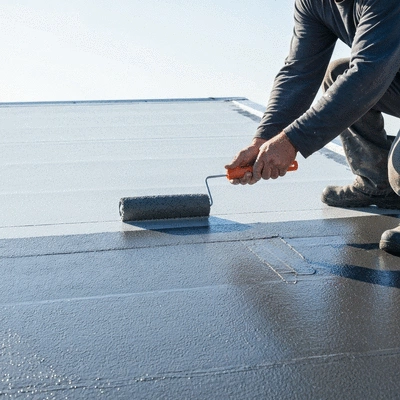
Liquid membranes are applied to a prepared surface and form a continuous waterproofing layer when installed and cured according to the manufacturer's instructions. They can be useful for roofs with complex shapes and multiple details, provided the selected product is suitable for the substrate and exposure conditions.
Sheet membranes
Sheet membranes provide a manufactured waterproofing layer. Their performance depends on correct substrate preparation, seam treatment, edge detailing and connections around penetrations and drainage outlets. Suitability varies with the roof design and the particular membrane system.
Protective roof coatings
Some polyurethane and acrylic coatings are designed to provide weather protection or improve the performance of compatible roof surfaces. They are not interchangeable products: a coating should only be used as a waterproofing solution when its intended application, substrate compatibility and performance requirements support that use.
Before selecting a product, establish whether the roof requires a new waterproofing system, localised repairs or attention to drainage and flashing. A coating alone will not correct structural movement, persistent ponding or defective roof drainage.
For information about related applications, read our guides to concrete waterproofing in Maitland and waterproofing solutions for Maitland apartments.
Benefits of Addressing Roof Waterproofing Problems
Appropriate roof waterproofing and timely repairs can help manage moisture and reduce the risk of avoidable building damage. The outcome depends on identifying the cause, selecting a suitable system and installing it correctly.
- Reduced water ingress: A suitable waterproofing system helps limit water entering through vulnerable roof areas.
- Protection of building materials: Controlling moisture can help reduce deterioration of ceilings, insulation, roof substrates and adjoining finishes.
- Lower risk of persistent dampness: Resolving leaks and drying affected materials helps reduce conditions that support mould growth.
- Improved maintenance planning: Inspections and early repairs can identify defects before they lead to more extensive damage.
- Better protection for internal spaces: Effective leak prevention helps protect rooms, stored items and building contents from water damage.
Waterproofing does not automatically improve insulation or guarantee lower energy bills. Thermal performance depends on the insulation system, ventilation, air leakage and other building characteristics. Moisture problems should be assessed separately from insulation deficiencies where necessary.
Preparing for a Roof Waterproofing Project
Before engaging a contractor, gather information about the leak, the roof construction and any previous repairs. This makes it easier to compare proposed solutions and understand what each quote includes.
- Record the symptoms: Note when the leak occurs, which rooms are affected and whether the problem follows rainfall or particular weather conditions.
- Arrange an appropriate inspection: Ask for the suspected entry point and contributing issues to be investigated. Avoid walking on a wet or unsafe roof.
- Compare written quotes: Review the proposed preparation, repairs, waterproofing materials, detailing, drainage work and exclusions rather than comparing price alone.
- Check relevant experience: Confirm that the contractor has experience with the particular roof type and proposed waterproofing system.
- Clarify the work and maintenance requirements: Ask how the system will be installed, what preparation is required and what ongoing inspections are recommended by the manufacturer.
There is no need to choose a contractor based on a fixed number of quotes alone. The important consideration is whether the scope is clear, the proposed approach suits the roof and the contractor can explain how the identified problem will be addressed.
For additional residential guidance, visit our page on waterproofing solutions for Maitland homes.
What to Do if Your Roof Is Leaking
If water enters your property during rainfall, take sensible steps to reduce damage while arranging a professional assessment.
- Keep clear of hazards: Do not climb onto a wet roof or enter a roof space where electrical hazards or structural damage may be present.
- Protect the affected area: If it is safe, move furniture and belongings away from the leak and place a container beneath dripping water.
- Watch for electrical risks: If water is near lights, outlets or electrical equipment, keep clear and seek qualified assistance. If there is immediate danger, contact emergency services.
- Document the damage: Take photographs from a safe location and record when the leak occurred.
- Arrange an inspection: A qualified professional can investigate the source and determine whether temporary measures or permanent repairs are needed.
Do not attempt to apply a membrane or sealant to a wet, inaccessible or unsafe roof during a storm. Temporary measures should not create additional risks or be treated as a substitute for diagnosing the cause.
If the leak affects a bathroom or another internal wet area rather than the roof, our guide to bathroom waterproofing in Maitland may be more relevant.
Roof Moisture Control, Insulation and Maintenance
Waterproofing is one part of managing moisture in a building. Roof drainage, flashing, ventilation and insulation also influence how the roof and internal spaces perform.
Keep gutters, downpipes and roof drainage outlets clear where this can be done safely. Arrange inspections after significant weather events or when signs of water entry appear. Follow the maintenance recommendations for the installed waterproofing system, including any requirements for checking seams, joints and exposed surfaces.
Insulation should be assessed for its own condition and suitability. Wet insulation may need professional inspection and, depending on the material and extent of moisture, drying or replacement. Simply adding insulation will not resolve an active roof leak.
For more moisture-management advice, read our guide to preventing waterproofing issues.
Frequently Asked Questions About Roof Waterproofing in Maitland
What is roof waterproofing?
Roof waterproofing uses suitable membranes, coatings and detailing to help prevent water from penetrating vulnerable roof surfaces and connections. The appropriate system depends on the roof construction and the source of the problem.
What causes roof leaks?
Common causes include deteriorated membranes, failed flashing, poorly sealed penetrations, damaged joints, blocked drainage and water ponding. Condensation and plumbing leaks can cause similar symptoms, so the source should be confirmed.
Which waterproofing membrane is best for a roof?
There is no single best membrane for every roof. Selection depends on the substrate, slope, exposure, drainage, existing materials and the manufacturer's installation requirements.
Can a roof coating fix an existing leak?
A compatible coating may be suitable for some roof problems, but it will not necessarily fix failed flashing, defective drainage, structural movement or a damaged underlying membrane. The cause should be assessed before choosing a repair.
What should I do when my roof leaks during heavy rain?
Stay off the roof, keep clear of electrical hazards, protect belongings if safe to do so, document the damage and arrange professional assistance. Avoid attempting repairs in unsafe weather conditions.
How can I help prevent future roof leaks?
Arrange periodic inspections, maintain gutters and drainage outlets where safe, address deteriorating joints and flashing, and follow the maintenance instructions for the installed waterproofing system.
Does roof waterproofing improve energy efficiency?
Its primary purpose is to limit water penetration. Repairing moisture problems may help protect insulation, but energy efficiency depends on several factors, including insulation quality, ventilation and air leakage.