Oct 15
Commercial Waterproofing Newcastle NSW
Water ingress can affect commercial buildings in several ways, from leaks through roof membranes and balconies to moisture entering foundations, basement walls and internal wet areas. For property owners and managers in Newcastle, choosing a suitable commercial waterproofing system starts with identifying where water is entering, how the building is used and which parts of the structure need protection.
Commercial waterproofing is not a single product or treatment. The right approach depends on the building's construction, the surface being protected, exposure to weather and water, drainage arrangements and the condition of existing materials. Understanding these factors helps property owners plan appropriate repairs, maintenance or waterproofing during construction and renovation.
What This Guide Covers
- How commercial waterproofing differs from residential projects.
- Common waterproofing systems and their applications.
- Commercial roofs, balconies, foundations and other vulnerable areas.
- Signs of water ingress and the importance of identifying the source.
- What to check when comparing commercial waterproofing contractors.
Understanding Commercial Waterproofing in Newcastle
Commercial waterproofing involves using suitable systems and detailing to limit unwanted water penetration into buildings and structures. Applications can include office buildings, retail premises, apartment complexes, warehouses and industrial facilities, although the requirements vary considerably between property types.
A commercial building may contain several different waterproofing zones. An exposed roof, a below-ground wall and an internal amenities area face different moisture conditions and therefore may require different materials and installation methods.
In Newcastle, project planning should account for the building's actual exposure to rainfall, wind-driven rain, surface runoff and any persistent moisture around the structure. Coastal exposure may also be relevant to material selection and the condition of exposed building components. These factors should be assessed for the particular property rather than assumed to affect every site in the same way.
Waterproofing defects can lead to damaged finishes, deterioration of susceptible building materials, disruption to occupants and costly investigation or repair work. Early assessment can help establish whether the issue relates to a failed membrane, defective drainage, plumbing, joints or another source of moisture.
Commercial vs Residential Waterproofing
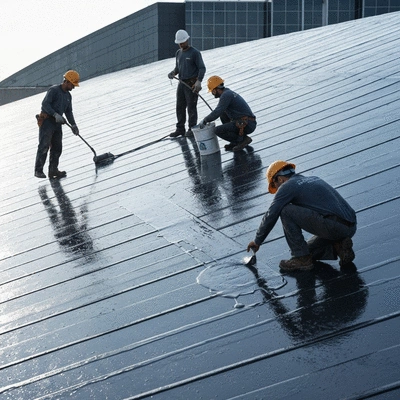
The basic principles of controlling water penetration apply to both commercial and residential buildings. However, commercial projects can involve larger surface areas, more complex building interfaces, different occupancy requirements and additional coordination with building management and other trades.
- Project scale: Commercial roofs, podiums and below-ground structures may cover extensive areas and require careful planning of membrane sections, joints and drainage.
- Building use: Retail, office, industrial and multi-residential properties can have different access, operational and moisture-control requirements.
- System selection: Materials must suit the substrate, exposure, expected movement and intended use of the surface.
- Work coordination: Waterproofing may need to be scheduled around other trades, tenants, operating hours and access restrictions.
- Inspection and records: Larger projects may require coordinated inspections, product documentation and records of completed work.
Not every commercial project requires an industrial-grade product or a more complicated system. The appropriate solution is the one suited to the actual building conditions and project requirements.
For residential applications, see our guide to waterproofing homes in Newcastle.
Common Commercial Waterproofing Systems
Waterproofing materials should be selected according to the surface, exposure and system design. Liquid-applied membranes and sheet membranes are two common options, while drainage and other water-management measures may also be required as part of the overall design.
Liquid-Applied Waterproofing Membranes
Liquid membranes are applied to prepared surfaces and cure to form a continuous waterproofing layer. Depending on the product, they may be suitable for areas with multiple corners, junctions and changes in surface shape.
Important considerations include substrate preparation, primer compatibility, application thickness, reinforcement requirements and curing conditions. The membrane must be installed according to the specified system rather than treated as a simple coating that can be applied to any surface.
Sheet Waterproofing Membranes
Sheet membranes are supplied in pre-formed rolls or sheets and installed using the appropriate adhesive, fixing or bonding method. They can be suitable for particular roof, foundation and other waterproofing applications when the selected product is designed for that use.
Joints, overlaps, corners, penetrations and transitions between materials need particular attention. A defect in one of these details can compromise the continuity of the waterproofing layer even when the main membrane surface remains intact.
Drainage and Water Management
A waterproofing membrane does not replace effective drainage. Roof outlets, surface falls, drainage channels and below-ground water-management measures may all contribute to controlling water around a building.
Where water is pooling or repeatedly entering a structure, the assessment should consider the drainage arrangement as well as the membrane itself. Simply applying another coating may not resolve a problem caused by blocked outlets, inadequate falls or water pressure behind a below-ground wall.
Key Areas That May Require Commercial Waterproofing
The correct treatment depends on where water is entering and the conditions affecting that part of the building. These are common areas to assess during commercial waterproofing projects.
Commercial Roofs and Rooftops
Roofs are exposed to weather, temperature changes and, depending on the design, regular foot traffic from maintenance personnel. Potential problems include deteriorated membrane sections, defective flashing, failed joints, damaged penetrations and drainage outlets that do not clear water effectively.
An inspection should consider the existing roof system, the condition of its junctions and the path water takes across the surface. The proposed repair or replacement system must be compatible with the roof substrate and existing materials.
Learn more about roof waterproofing in Newcastle and rooftop waterproofing solutions.
Balconies and Podium Areas
Commercial balconies and podiums can be exposed to rain, surface water and movement between adjoining building elements. Water may enter around door thresholds, balustrade fixings, wall junctions, drainage outlets or damaged surface finishes.
The assessment should consider how the waterproofing connects to adjacent walls and door openings, how water drains from the surface and whether the existing finishes conceal defects. Repairs may involve more than the visible area where a leak appears.
See our guide to balcony waterproofing in Newcastle.
Foundations and Below-Ground Structures
Below-ground walls and foundations can be exposed to soil moisture, surface runoff and water accumulating around the structure. The appropriate waterproofing approach depends on ground conditions, construction details, drainage and the extent of moisture exposure.
Signs such as damp patches, recurring water entry, salt deposits or deteriorating finishes may warrant further investigation. These symptoms do not identify the cause by themselves, so an assessment should distinguish between water entering from the ground, plumbing defects and other possible sources.
For more information, read about foundation waterproofing in Newcastle.
Concrete Structures and Retaining Walls
Concrete can develop cracks and joints through which water may enter, depending on the structure, exposure and construction details. The suitability of a waterproofing treatment depends on the condition of the concrete, whether movement is occurring and how the surface will be used.
Retaining walls require particular attention to water management behind the wall as well as the exposed surface. Drainage, groundwater conditions and the wall's construction all influence the appropriate approach. Surface coatings alone may be insufficient where water pressure or drainage problems are involved.
Explore our guides to concrete waterproofing and retaining wall waterproofing in Newcastle.
Internal Wet Areas and Amenities
Commercial bathrooms, change rooms, kitchens and other wet areas need waterproofing appropriate to their design and intended use. Frequent cleaning and regular water exposure make suitable junction detailing, drainage and maintenance important considerations.
AS 3740 addresses waterproofing of domestic wet areas in buildings. Its scope should not automatically be applied to every commercial facility. The relevant standard, building requirements and waterproofing specification need to be determined for the particular project.
Where a building includes apartments or other residential components, our guide to apartment waterproofing in Newcastle provides further information.
Recognising Signs of Commercial Water Ingress
Waterproofing problems are not always immediately visible. A leak may travel through a building before appearing as a stain or damp patch some distance from the original entry point.
Warning signs that may justify further investigation include:
- Recurring water stains on ceilings, walls or floors.
- Peeling paint, blistered coatings or damaged internal finishes.
- Persistent dampness or musty odours in enclosed areas.
- Water pooling on roof or balcony surfaces.
- Visible deterioration around joints, penetrations or membrane edges.
- Efflorescence or moisture-related deterioration on concrete or masonry.
- Repeated leaks following rainfall or use of nearby plumbing fixtures.
These signs can have several causes, including plumbing failures, condensation, defective drainage and membrane damage. Identifying the source before choosing a repair is important because treating the visible symptom alone may leave the underlying issue unresolved.
For practical guidance on identifying potential problems, see preventing waterproofing issues in Newcastle.
Planning a Commercial Waterproofing Project
A structured project plan helps property owners and managers understand the work required and compare proposed solutions. Before requesting quotes, gather available information about the affected area, the building's construction and any history of water ingress.
1. Identify the Problem and Project Scope
Record where water appears, when the problem occurs and whether it follows rainfall, cleaning or the use of plumbing fixtures. Note any previous repairs and provide access to relevant maintenance records where available.
These details help establish what needs investigation. They should not be used as a substitute for an inspection where the source of the leak remains uncertain.
2. Assess the Existing Surface and System
The substrate, existing membrane, drainage and adjoining building elements should be considered before a repair method is selected. Depending on the condition of the area, further investigation or removal of finishes may be necessary to understand the extent of the defect.
3. Compare the Proposed Waterproofing Systems
Ask each contractor to explain the recommended system and why it is appropriate for the building. The proposal should identify relevant preparation, repairs, membrane application, junction detailing and any drainage work included in the scope.
Check whether the products are suitable for the intended exposure and substrate, and whether the proposed installation follows the manufacturer's requirements.
4. Clarify Access, Scheduling and Building Operations
Commercial work may affect tenants, staff, customers or building services. Discuss access arrangements, any necessary restrictions, protection of surrounding areas and the sequence of work with the contractor before the project begins.
Where the building will remain operational, confirm how the work area will be managed and what access or use limitations may apply during installation and curing.
5. Agree on Documentation and Maintenance
Confirm what records will be supplied when the work is completed. Depending on the project, this may include product details, photographs, inspection records, maintenance recommendations and applicable warranty documentation.
Clarify the terms and exclusions of any warranty rather than assuming that all future leaks or moisture problems will be covered.
Choosing a Commercial Waterproofing Contractor in Newcastle
When comparing contractors, consider the relevance of their experience to the type of structure and waterproofing system involved. A project involving a large roof, a below-ground wall and an internal wet area may require different technical considerations.
Useful questions to ask include:
- What is included in the inspection and proposed scope of work?
- How will the source and extent of water ingress be assessed?
- Which waterproofing system is proposed, and why is it suitable?
- How will substrate preparation, joints, penetrations and drainage be addressed?
- What disruption or access restrictions should the building manager plan for?
- What inspection records and product documentation will be provided?
- What warranty terms, exclusions and maintenance requirements apply?
- What licensing, qualifications and insurance are relevant to the proposed work?
Check relevant credentials and insurance directly, and ask for references or examples of comparable work where available. Licensing and regulatory requirements depend on the nature and scope of the project, so avoid relying on a general claim that a contractor is licensed for every type of waterproofing work.
A clear written quote should explain the work included, the proposed materials, preparation requirements, exclusions and how unforeseen defects will be handled. This makes it easier to compare proposals on scope and suitability rather than price alone.
Commercial Waterproofing Maintenance
Maintenance can help identify developing defects before they lead to more extensive damage. The appropriate inspection frequency depends on the building, the waterproofing system, exposure and the manufacturer's recommendations.
Property owners and managers can include the following checks in their maintenance planning:
- Inspect accessible roof and balcony surfaces for visible damage or deterioration.
- Check that drainage outlets remain clear and water can leave the surface as intended.
- Look for changes around joints, flashings, penetrations and membrane edges.
- Investigate recurring damp patches or unexplained water staining.
- Keep records of inspections, repairs and any recurring moisture issues.
- Arrange further assessment when visible defects or repeated leaks are identified.
Maintenance checks cannot confirm the condition of every concealed membrane. Where a defect is suspected, an appropriate inspection may be needed to establish the cause and determine whether a local repair or more extensive work is warranted.
Frequently Asked Questions About Commercial Waterproofing
What is commercial waterproofing?
Commercial waterproofing involves systems and detailing designed to limit water penetration into commercial buildings and structures. Depending on the property, this can include roofs, balconies, foundations, retaining walls, concrete structures and internal wet areas.
How does commercial waterproofing differ from residential waterproofing?
Commercial projects may involve larger areas, more complex building interfaces, operational constraints and additional coordination. However, the correct system depends on the particular application rather than whether the property is commercial or residential alone.
Which waterproofing membrane is best for commercial buildings?
There is no single membrane suitable for every commercial application. Liquid-applied and sheet membranes have different installation requirements and uses. Selection should consider the substrate, water exposure, building design, product compatibility and specified performance requirements.
What causes commercial building leaks?
Possible causes include damaged membranes, defective joints or flashings, plumbing leaks, blocked drainage, cracks and poorly detailed penetrations. The source should be investigated before a repair method is chosen.
Does every commercial waterproofing project follow AS 3740?
No. AS 3740 addresses domestic wet-area waterproofing. Commercial projects may involve different applications and requirements, so the relevant standards, specifications and regulatory obligations must be determined for the work being undertaken.
What should be included in a commercial waterproofing quote?
A quote should describe the affected areas, preparation and repair work, proposed system, installation scope, exclusions and applicable warranty terms. It should also explain how unforeseen defects or additional work will be assessed and approved.
How often should commercial waterproofing be inspected?
Inspection frequency depends on the building, exposure, waterproofing system and maintenance recommendations. Regular checks of accessible surfaces and drainage can help identify visible problems, while suspected concealed defects may require a more detailed assessment.
Arrange a Commercial Waterproofing Assessment in Newcastle
Commercial waterproofing decisions should begin with the building's actual conditions, the source of any water ingress and the requirements of the affected area. Selecting a compatible system and addressing drainage, junctions and surface preparation are important parts of planning a suitable solution.
If you are assessing a commercial waterproofing project in Newcastle, prepare details of the affected area, any known leak history and the type of building involved before requesting a quote. This information can help establish the scope of investigation and the work that may be required.
For additional information, explore our guides to waterproofing solutions for Newcastle businesses and roof waterproofing in Newcastle.